Author: LBodnarchuk

Scaling or Optimizing Your Medicaid Operations? We’ve Got You Covered

There is a saying in the Medicaid community of “if you know Medicaid in one state, you know Medicaid in one state” given the variation in program eligibility, services and operations across states. While this remains true, there are fundamentals in Medicaid services, quality performance and operations that remain the same nationally. 

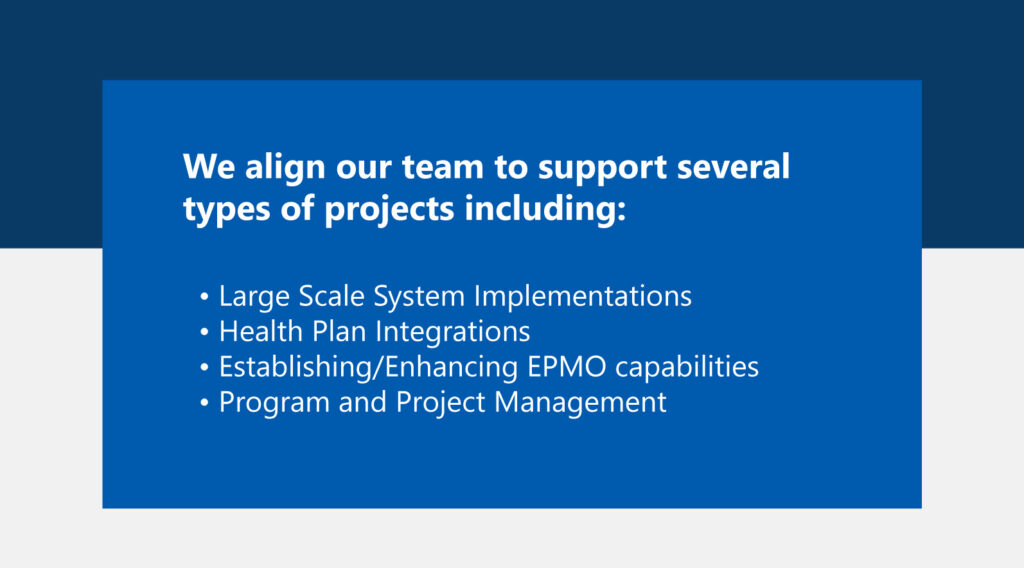
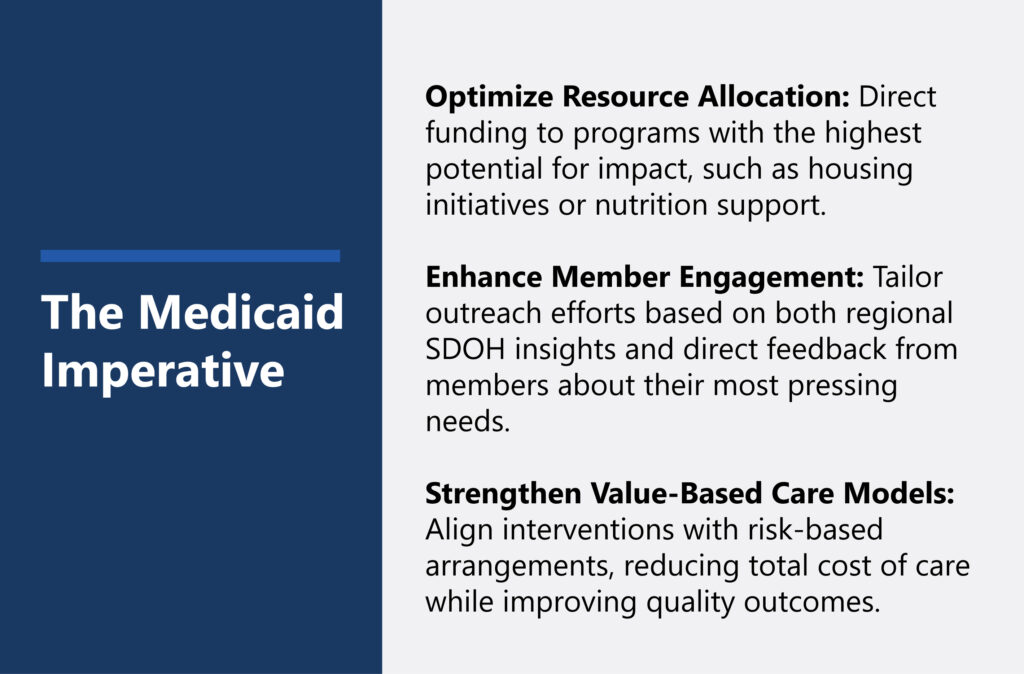
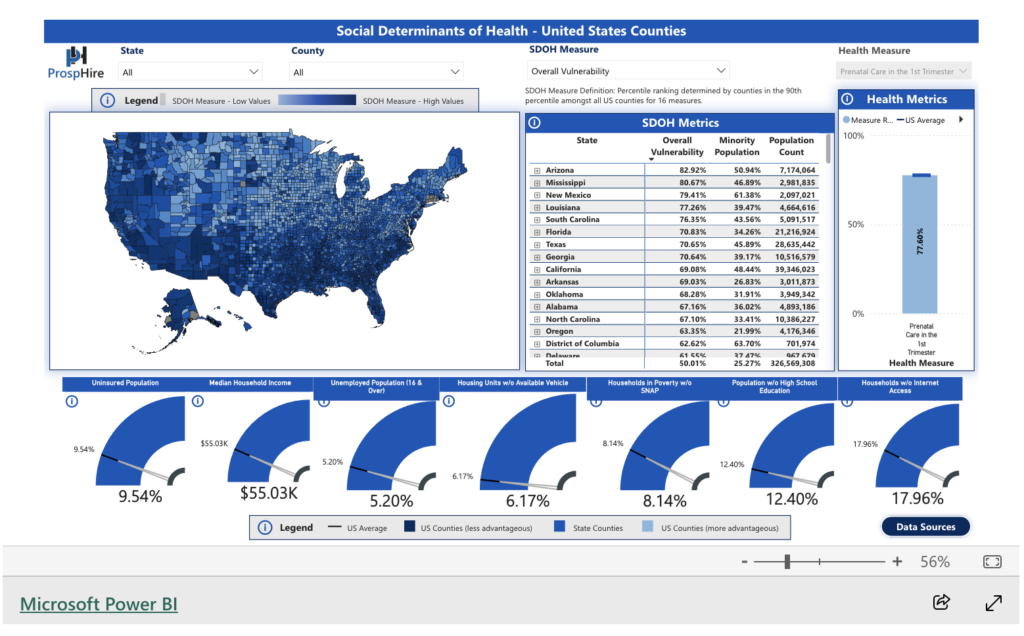
As health plans seek to differentiate themselves in the market and deliver a member-first program, ProspHire supports health plans in establishing a strategic roadmap that integrates organizational goals and unique regional membership needs. ProspHire is dedicated to a regional approach to product development, quality programs, and member engagement. Demonstrating this commitment, ProspHire leverages and promotes the use of social determinant of health and other publicly available data sources to develop data-driven strategies and identify key steppingstones to appropriately address unique health plan membership needs. Check out our data dashboard! 

Medicaid plans seeking to outperform will need to look beyond their bottom line and focus on the successful delivery of care and resulting outcomes for their membership. ProspHire collaborates with health plans to bring vision and strategy to execution and reality as a partner to your organization and your community. 

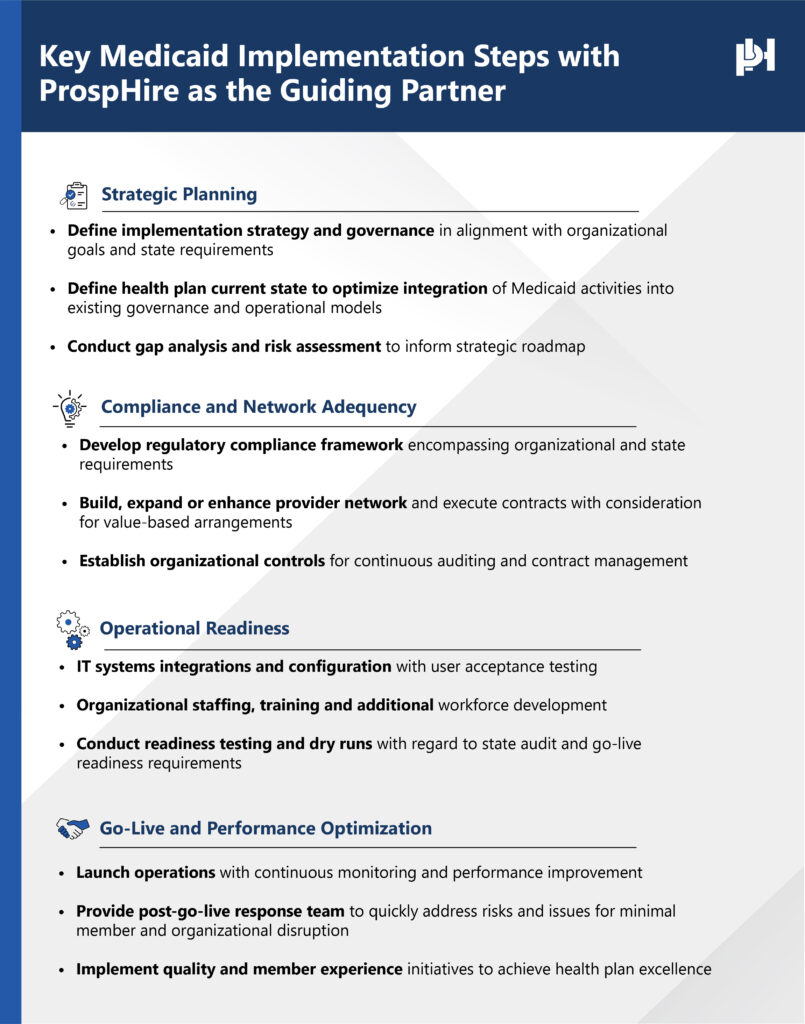
The intent to award Medicaid contracts presents both opportunities and challenges for health plans. Whether you are an incumbent plan seeking to optimize performance or a new entrant preparing for go-live, ProspHire specializes in providing strategic support to drive operational success.

Opportunities in Focus

  • Operational Readiness
    • Develop and execute a comprehensive implementation plan to meet state requirements. Establish effective workflows, IT system integration and operational policies.
    • Conduct readiness assessments to mitigate risks prior to go-live.
  • Provider Network Expansion & Management
    • Assess and expand provider networks to meet state adequacy standards.Implement contracting strategies to enhance access to care and quality measure performance.
    • Improve provider relations and streamline credentialing processes.
  • Regulatory Compliance
    • Ensure alignment with state Medicaid regulations and reporting requirements. Conduct compliance audits and gap analyses.
    • Develop policies and procedures to maintain ongoing compliance.
  • Quality Programs, Performance & Addressing Health Disparities
    • Optimize HEDIS and Medicaid quality measures to improve performance. Implement care management programs to enhance member health outcomes. Align quality initiatives with state and federal benchmarks. Implement social determinants of health (SDOH) strategies. Develop community engagement initiatives to improve equity in care.
    • Leverage data analytics to identify and address disparities.
  • Member Experience
    • Improve CAHPS and member satisfaction scores through targeted interventions.
    • Develop data-driven member engagement strategies.
  • Administrative Cost Savings
    • Identify cost-containment opportunities to maximize efficiency. Streamline operations to reduce administrative burden through systems integration, process automation and strategic workflow optimization.
    • Leverage technology to enhance claims processing, contracting and other productive repetitive activities.

ProspHire Can Help

By partnering with us, health plans can confidently navigate the complexities of Medicaid implementation and achieve operational excellence. Contact us today to learn more about how we can support your success.

Soaring to New Health: Healthcare Uncovered Series

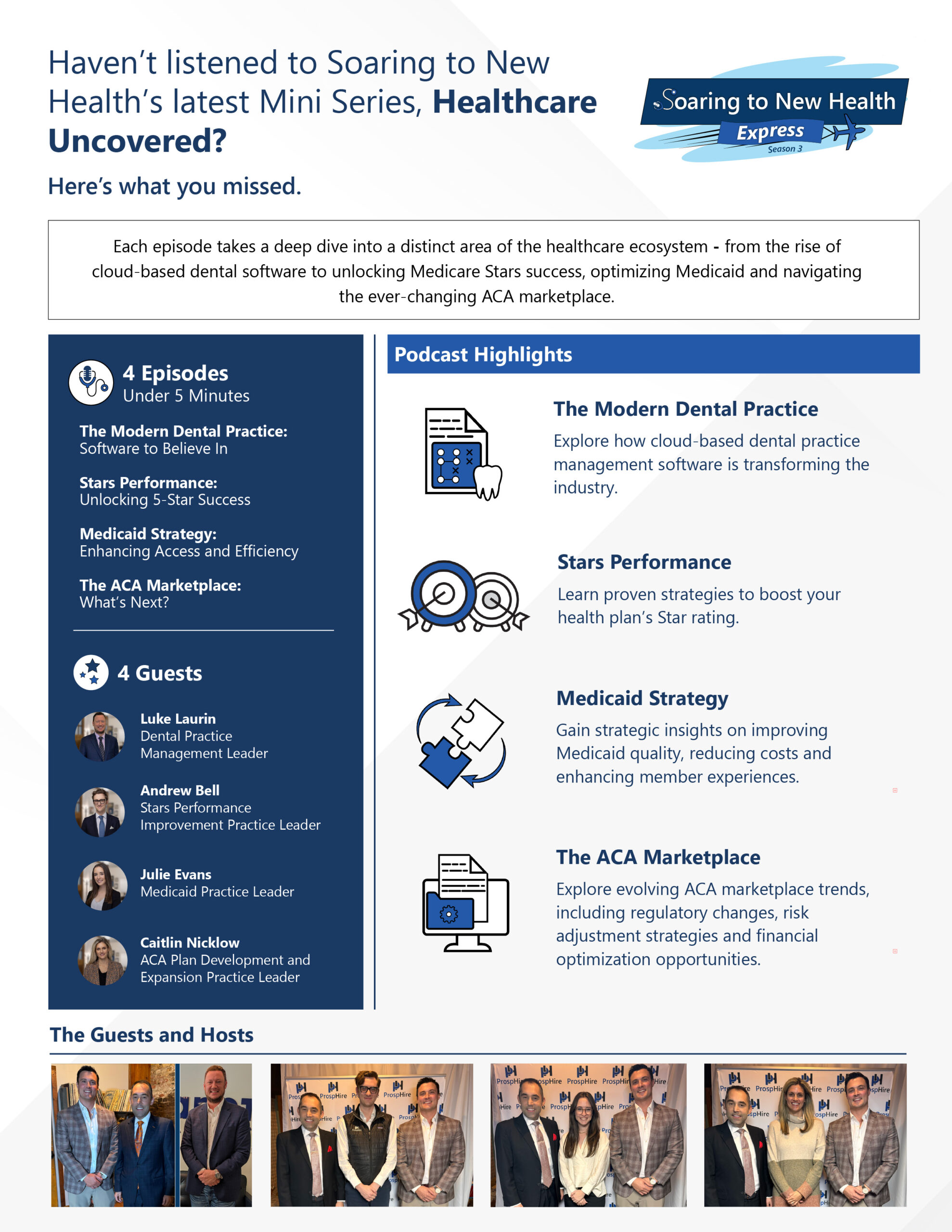
Welcome to the Healthcare Uncovered Podcast Series– your front-row seat to the future of healthcare. In this exclusive blog series, we spotlight expert insights and real-world strategies from ProspHire’s Soaring to New Health podcast. Each episode takes a deep dive into a distinct area of the healthcare ecosystem, from the rise of cloud-based dental software to unlocking Medicare Stars success, optimizing Medicaid and navigating the ever-changing ACA marketplace. Whether you’re a provider, payer or industry leader, these conversations are designed to inform, inspire and empower you to drive meaningful change. Need a quick overview? Click on the series highlights infographic to the right.

Explore the full series below and uncover the innovation shaping healthcare today.


The Modern Dental Practice – Software to Believe In

Revolutionizing Dental Care Through Technology

The dental industry is evolving, and cloud-based solutions are leading the charge. In this episode, we dive into the future of dental practice management software and how innovations are helping dental organizations scale, optimize operations, and improve patient care.

Our experts discuss the impact of cloud technology, how it enhances workflow efficiency and why leading dental practices are making the switch from legacy systems. If you’re looking to streamline practice management and improve operational outcomes, this episode is a must-listen!

Tune in now to discover how technology is transforming dental care!

Stars Performance – Unlocking 5-Star Success

How Health Plans Can Improve Quality and Performance

Achieving a 5-Star rating is no small feat, but it’s essential for health plans aiming to deliver high-quality care while maximizing reimbursement. In this episode, we break down the critical factors behind Stars success, from improving member engagement to optimizing HEDIS and CAHPS performance.

Our experts share best practices for navigating CMS guidelines, addressing key challenges in Stars improvement and driving meaningful quality outcomes. If you’re looking to enhance your health plan’s Star rating, this conversation provides actionable insights you won’t want to miss.

Listen now and take your Stars strategy to the next level!

Medicaid Strategy – Enhancing Access and Efficiency

Innovative Approaches to Medicaid Optimization

Medicaid plays a crucial role in providing healthcare access but navigating its complexities requires strategic expertise. In this episode, we explore how health plans and providers can enhance Medicaid quality, control costs and improve member experiences.

We cover key topics like Medicaid HEDIS optimization, addressing health disparities and integrating new technologies to streamline processes. With rising demands on Medicaid programs, this discussion is essential for healthcare leaders looking to drive innovation and efficiency in Medicaid services.

Tune in to explore cutting-edge strategies for Medicaid success!

The ACA Marketplace – What’s Next?

Navigating Risk Adjustment and Market Trends

The Affordable Care Act (ACA) marketplace continues to evolve and insurers must stay ahead of changing regulations, risk adjustment policies and enrollment trends. This episode takes a deep dive into the challenges and opportunities in the ACA landscape.

Our discussion highlights risk adjustment transfer payments, how insurers can optimize financial performance and the impact of policy shifts on healthcare access. Whether you’re an insurer, policymaker or healthcare leader, this episode unpacks the latest insights shaping the ACA marketplace.

Listen now to stay informed on the future of ACA and risk adjustment!

Critical Regulatory Updates – Medicare Advantage Impacts

Setting the Stage for the 2026 Medicare Advantage Rate Announcement

On April 4th and April 7th, 2025, the Centers for Medicare & Medicaid Services (CMS) released 2026 Medicare Advantage Final Rule and 2026 Final Rate Announcement, respectively. These releases outline critical policy updates and payment adjustments that will shape the present and future of Medicare Advantage plans. The impact of these changes and signals present both a challenge and an opportunity for plans to reassess their strategies and adapt to the new normal.

More than Just the Numbers

CMS finalized a 5.06% increase in Medicare Advantage payments for 2026, amounting to $25 billion in additional plan revenue. Big number. Big headline. But the real story is how CMS continues to evolve its role—not just as a payer but as a regulator, standard-setter and advocate for Medicare enrollees. It’s not just how much CMS is investing in the Medicare program, it’s also about the standards for how the they expect plans to operate.

Star Ratings and Measure Impacts: Few Changes but Signals for What’s to Come

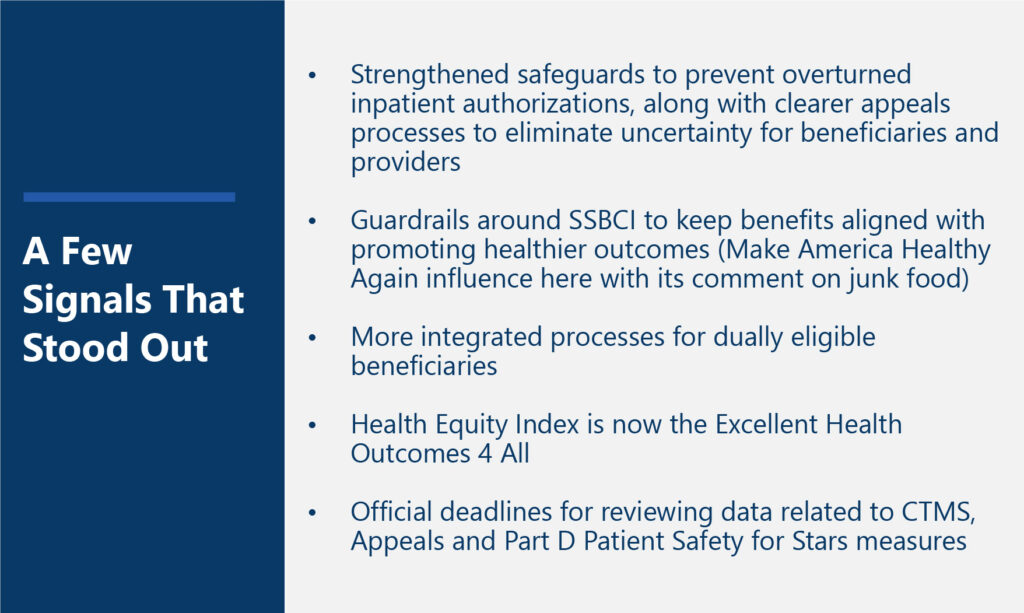
From a Stars perspective, these regulatory updates weren’t the tidal wave that some predicted. There was a notable measure rebrand, formerly the Health Equity Index (HEI). The much-maligned measure has been renamed to Excellent Health Outcomes 4 All (EHO4A). This change is not merely cosmetic but signals CMS’s ongoing commitment to reducing cost to the Medicare Advantage program (the true intention of the Health Equity Index anyway). In addition, the possibility of integrating geography as a social risk factor adds an extra layer of complexity for plans to consider. Plans may soon be required to account for geographic location when measuring and addressing health disparities and outcomes – a major nod to challenges in rural health. This could have a profound impact on how programs are designed and how quality measures are calculated, especially in communities facing systemic health challenges.

Finally, CMS has established official deadlines for plans to review and dispute data:

  • May 30, 2025 – CTM data review deadline
  • June 30, 2025 – Appeals data review deadline
  • May 18, 2026 – Part D Patient Safety data review deadline (SY2027)
  • March 31, 2026 – Deadline for all contracts to request a review of 2025 CTM data (SY2027)

With these fixed deadlines for data review, last-minute efforts to improve measure performance may be a challenge due to time constraints. Plans need to be much more proactive and diligent when reviewing their own data and searching for improvement opportunities.

A New Normal: The Need for Innovation in the Evolving CMS Landscape

The changes outlined in the 2026 Medicare Advantage announcements are more than just policy adjustments—they are part of a broader shift in the healthcare landscape. With figures like Dr. Oz and RFK Jr. now influencing the conversation, it’s clear that CMS is moving in a direction that prioritizes innovation, positive health outcomes, efficiency and adaptability.

CMS also showed strong interest in AI and operational efficiency, suggesting this administration is open to exploring technology’s role in modernizing Stars and other quality programs. The emphasis on the Universal Foundation of core measures—and the potential removal of many operational-style metrics—means plans will also need to focus on clinical outcomes, data capture/interoperability and measurement strategy in areas that matter most.

Plans must take a hard look at how they operate today and prepare to adjust their strategies under this new lens. The healthcare industry is entering a “new normal,” where the plans that succeed will be those that innovate and respond proactively to emerging trends. Those that fail to adapt risk falling behind in a competitive market. The future of Medicare Advantage will belong to innovators who can navigate this shifting terrain, ensuring that they are providing high-quality, outcomes driven care that meets the evolving needs of beneficiaries.

Conclusion: Building for the Future By Assessing Your Present

The Rate Announcement and Final Rule aren’t just technical documents—they’re a glimpse into CMS’s evolving philosophy: tighter guardrails, enhanced beneficiary protections and a firmer hand on program integrity and efficiency. The takeaway should be about building health plan infrastructure that can keep up with the direction that CMS is heading.

So, what should plans be doing now? We’re entering a summer and fall that will be filled with speculation, potential demonstration programs and policy previews that will shape 2027 and beyond. But 2026 is already defined—and it presents a critical opportunity for health plans to re-evaluate their Stars strategy, challenge current assumptions and reimagine how performance, data and member experience come together. At ProspHire, we’re working with clients to assess Stars readiness from every angle and every function—clinical workflows, data infrastructure, provider engagement and more. In this moment of change, everything should be on the table: new partnerships, new technologies and bold innovations that improve performance and drive sustainable results.

If your team is looking to get ahead of these changes and set the foundation for long-term success, let’s talk. At ProspHire, we have the experience and expertise in the Medicare Advantage and Stars space and the frameworks for evaluating plans capabilities and Stars potential. The way we approach our assessments of plans is comprehensive and wholistic, understanding that Stars success is about the entire health plan not just one team. Gaining a better understanding of your present, in order to prepare for the future will enable long-term success. Change is hard, but the work we do today will define your outcomes of tomorrow.

Download our Stars Contract Capability Assessment Framework Now!

This field is for validation purposes and should be left unchanged.

The 2025 Marketplace Rule: Challenges for Health Plans and Consumers

After the 2026 Final Letter to Issuers was published this January, Issuers likely felt relief that no major changes were in store for the upcoming QHP Certification cycle and 2026 Plan Year. Fast forward to today and the industry is scrambling to digest the 2025 Marketplace Integrity and Affordability Proposed Rule released on March 10th. The proposed rule introduces several changes that could impact ACA Marketplace enrollment and member subsidies.

Barriers to Continued Enrollment

Below are a few of the largest barriers to continued enrollment that members would face under the new Rule:

  • Satisfying Debt for Past Due Premiums
    • Today, Issuers are prohibited from taking a member’s current plan year premium and using it to satisfy a previously unpaid premium. In the proposed rule, this direction would be reversed and members could be forced to pay any outstanding debts on top of their new premium prior to receiving coverage.
  • Eliminating Gross Premium Percentage-Based and Fixed-Dollar Premium Payment Thresholds
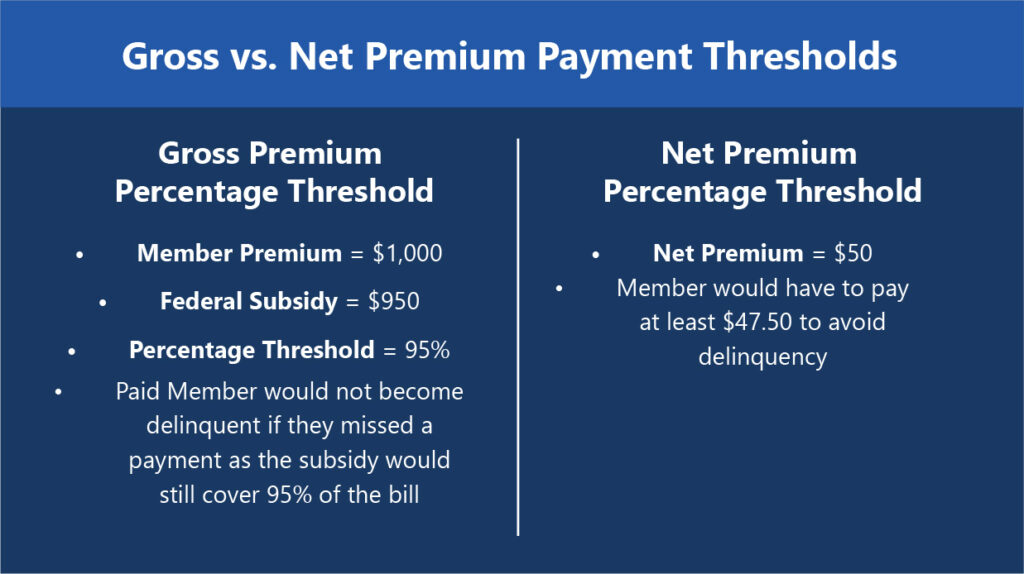
    • Health Plans are allowed to set their own payment thresholds prior to marking a member as “delinquent”. Plans have the autonomy to decide if this threshold is a percentage of the gross premium due (prior to subtracting any government subsidies), percentage of net premium or fixed dollar amount. Under this new rule, Plans would only be able to use a net premium percentage threshold.
Gross versus Net Premium payment thresholds for health plans
  • For Example:
    • Gross Premium Percentage Threshold
      • Member Premium = $1,000
      • Federal Subsidy = $950
      • Percentage Threshold = 95% Paid
      •   Member would not become delinquent if they missed a payment as the subsidy would still cover 95% of the bill
    • Net Premium Percentage Threshold with same premium
      • Net Premium = $50
      • Member would have to pay at least $47.50 to avoid delinquency
  • Shortening Annual Open Enrollment Period
    • The new rule proposed shortening the annual open enrollment window by a full month, changing the last day to enroll from January 15th to December 15th.
  • Subsidy Verification
    • Several measures in the proposed rule aim to increase the difficulty for consumers to obtain and keep federal subsidies. Americans living below 400% Poverty Level currently depend on these subsidies to make ACA Marketplace coverage affordable. Under the new rule, these members would face a higher burden of proof for proving income as well as be required to continually respond to redetermination requests. Failure to comply would result in a reduction or loss in subsidies.

In addition to the barriers consumers will face, this new rule would also put a large administrative burden on Marketplaces and Issuers. Interested to hear how Health Plans will be responding to the request for comments on this Proposal.

How ProspHire can help with regulatory changes and optimizing health plans

How Can ProspHire Help?

At ProspHire, we specialize in navigating complex regulatory changes and optimizing health plan operations. Our team of experts can help your organization:

Assess the Financial and Operational Impact – Understand how these rule changes will affect your enrollment, member retention and subsidy compliance.

Develop Compliance Strategies – Ensure your health plan meets the new regulatory requirements while minimizing disruption to members.

Optimize Member Engagement and Retention – Implement solutions that reduce member churn and improve payment processes under the new thresholds.

Streamline Administrative Processes – Enhance efficiency in handling redeterminations, subsidy verifications, and enrollment period changes.

With our deep expertise in ACA Marketplace strategy, risk adjustment and quality performance, we’re here to help you stay ahead of the curve. Let’s connect to discuss how your health plan can proactively adapt to these changes.

The Future of Telehealth: How Medicare Changes Could Impact Access, Satisfaction and Star Ratings

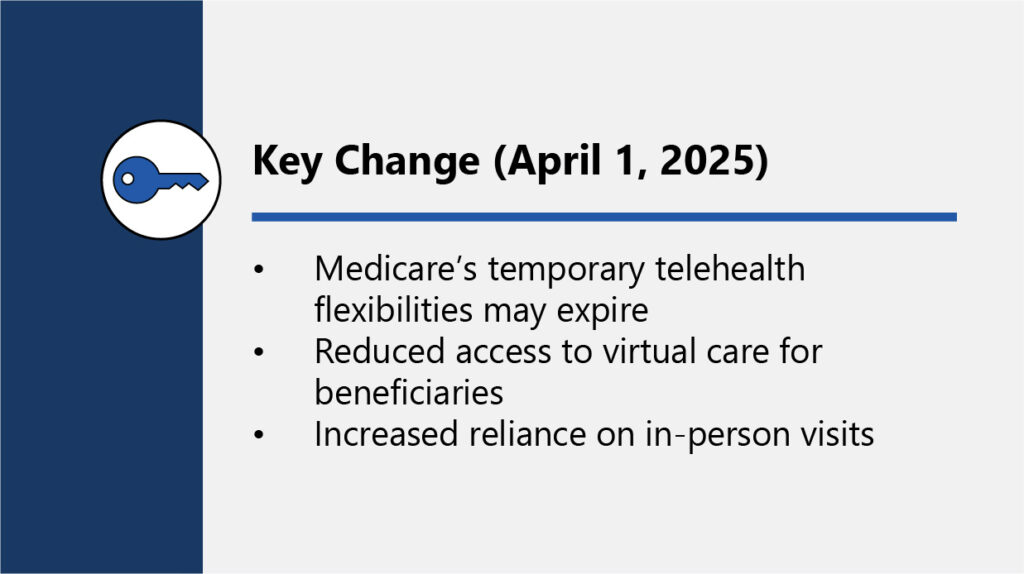
Beginning April 1, 2025, Medicare beneficiaries could face reduced telehealth coverage as the temporary flexibilities introduced during the COVID-19 pandemic expire, unless extensions are approved. These waivers, which allowed expanded access to telehealth services, will no longer be in effect. This shift could lead to access challenges for Medicare beneficiaries, especially those in rural or underserved areas.

A decline in telehealth services could lower beneficiary satisfaction, reduce access to care, significantly impacting key CAHPS measures, hinder gap closure efforts and ultimately overall Star Ratings in some cases.

Changes in telehealth and how it impacts the healthcare industry

Impact on Star Ratings

Telehealth Services and HEDIS Performance

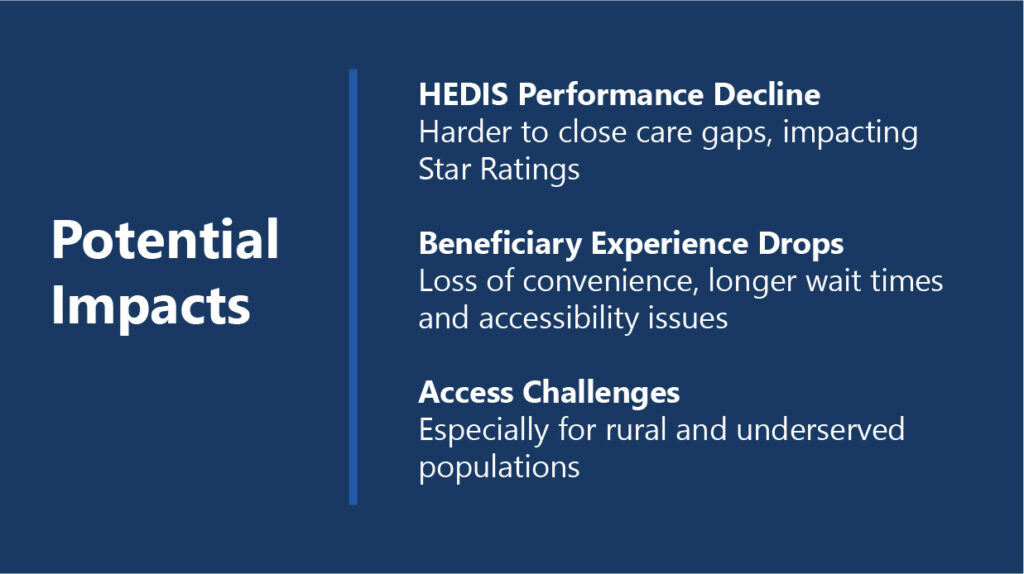
The reduction of telehealth coverage for Medicare beneficiaries would directly impact a beneficiaries’ access to care, making it harder for health plans to manage their health. This could lead to delayed chronic condition management and inadequate follow up care, all of which could lower Medicare Star ratings due to poor HEDIS performance. Without telehealth, many beneficiaries may face difficulty accessing these services, leading to unaddressed care gaps and lower performance across multiple HEDIS measures.

The impact of Medicare changes on HEDIS performance, beneficiary experience, and access challenges

Beneficiary Experience CAHPs Impacts

The elimination of telehealth services could potentially lead to beneficiary dissatisfaction and ultimately negatively impact a plan’s overall CAHPs rating due to the following reasons:

  • Loss of Convenience, Flexibility and Accessibility: Telehealth has provided beneficiaries with flexible, convenient care regardless of location. Its removal forces in-person visits, which may be inaccessible due to distance, transportation, finances, work, caregiving or other barriers.
  • Longer Wait Times and Delays: Without telehealth, provider availability may become more limited, resulting in longer wait times for appointments. This can cause frustration among beneficiaries seeking timely medical attention.
  • Quality of Care Perceptions: Beneficiaries who turned to telehealth for routine care, follow up appointments and chronic condition management may feel their care has been downgraded, reducing their satisfaction with the health plan.
Actions to take for health plans after Medicare changes

Actions for Health Plans to Take Today

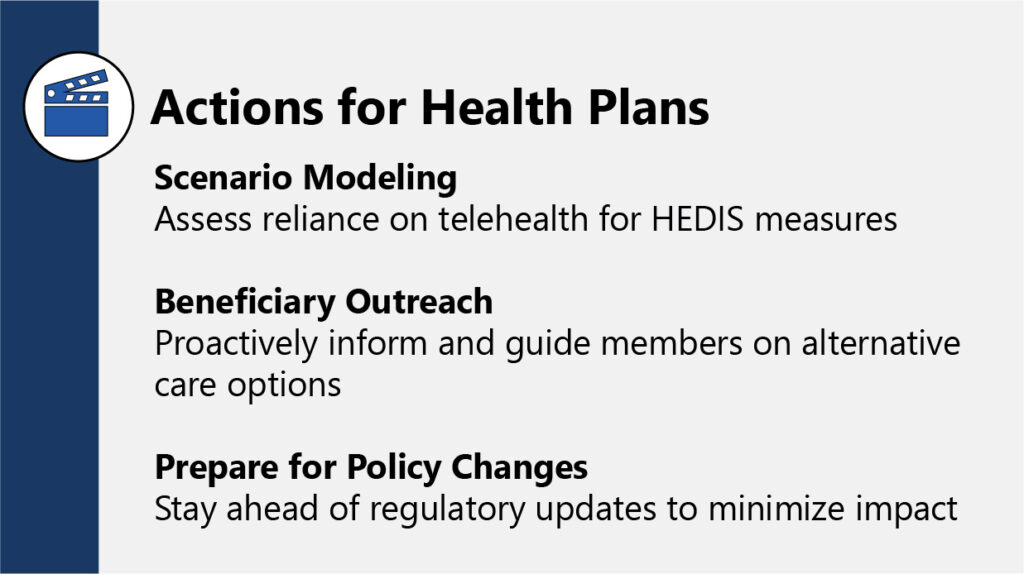
  • Scenario Modeling: Health plans should assess the number of beneficiaries relying on telehealth services to close gaps in HEDIS measures. Gaps that were not closed already may not be closed during the remainder of the year and therefore multiple scenarios should be developed for assessing risk.
  • Outreach to Impacted Beneficiaries: Health plans should identify beneficiaries who have used telehealth services and proactively reach out to inform them of the upcoming changes. Additionally, they should support beneficiaries in finding alternative care options that best meet their individual needs.

While there is a possibility that the legislation will be extended and telehealth access will continue, it is essential to fully understand the potential implications for your plan. Being proactive and strategically preparing for any changes will ensure you can adapt smoothly and make informed decisions with confidence.


DISCLAIMER:
There are currently drafted continuing resolutions to extend waivers through the end of September 2025. If the extension is not approved, certain exceptions will still allow Medicare members to access telehealth, including those based on geographic location and behavioral health needs.


How ProspHire Can Help

Unlock the full potential of telehealth while optimizing your Stars Performance. Partner with ProspHire and Andrew Bell to navigate the complexities with confidence. Let’s drive measurable results together – reach out today

Navigating the Implications of Proposed Changes to GLP-1 Medication Coverage

Changes to GLP-1 Medication Coverage

The Centers for Medicare & Medicaid Services (CMS) has proposed changes to Medicare and Medicaid coverage for glucagon-like peptide-1 (GLP-1) medications, which are currently covered primarily for the treatment of type 2 diabetes. These medications have also gained attention for their effectiveness in managing obesity, although coverage for weight loss remains limited under Medicare and Medicaid today. The intent of this change is to drive improved health outcomes, which could have substantial benefits and downstream impacts, but if enacted, the proposed changes will expand coverage criteria, significantly impacting health plans in quick time.

Evolving CMS Policy on Anti-Obesity Medications

Historically, Medicare Part D excluded coverage for weight loss drugs under a statutory provision allowing Medicaid programs to do the same. CMS reinforced this stance in 2008, clarifying that even non-cosmetic weight loss agents were ineligible for Part D coverage. However, exceptions were made for medications treating conditions like AIDS wasting and cachexia, recognizing their broader therapeutic benefits.

The emergence of GLP-1 drugs, such as Ozempic and Wegovy, has challenged this framework. While originally approved for type 2 diabetes and cardiovascular disease, these drugs have demonstrated significant efficacy for weight loss, fueling public demand and legislative proposals to expand coverage. Medicare already covers GLP-1s for non-weight-loss indications, with spending on Ozempic alone reaching $4.6 billion in 2022. Medicaid policies vary by state, with 13 states covering GLP-1s for obesity as of August 2024.

In response, CMS has proposed a reinterpretation of the statutory exclusion, distinguishing between drugs “used for weight loss” and those “used for the treatment of obesity.” This shift would allow Part D and state Medicaid coverage for anti-obesity medications (AOMs) prescribed specifically for obesity.

The projected financial impacts of GLP-1 coverage expansion

Financial Impacts at Federal and State Levels

Federal Level

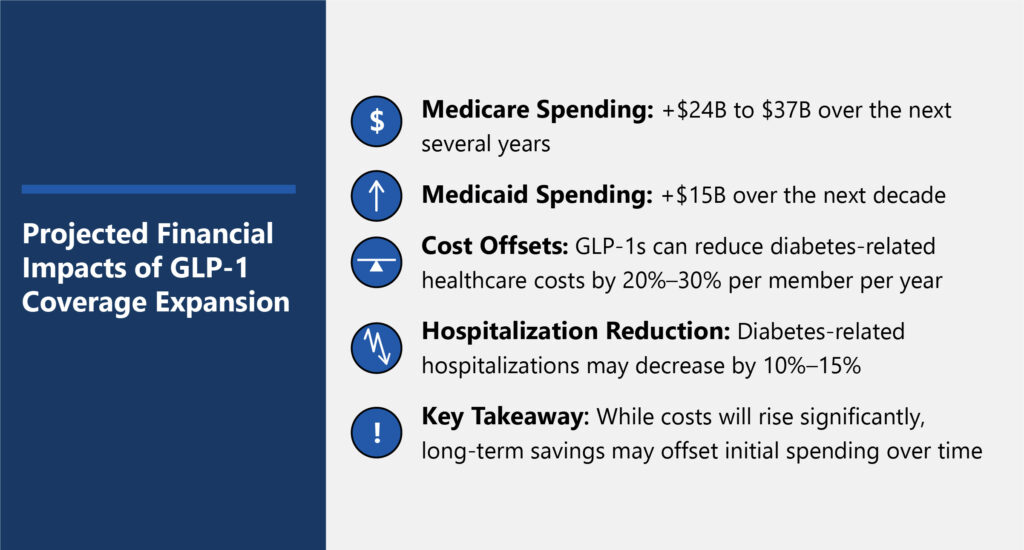
  • Increased Spending: Medicare spending on GLP-1 medications could rise by $24–$37 billion over the next several years, depending on the breadth of the coverage expansion and member uptake rates. Medicaid spending could see increases of an estimated $15 billion over the next decade, with significant variability by state.
  • Cost Offsets: Studies suggest GLP-1 medications can reduce healthcare costs for diabetes-related complications by 20%–30% annually per member. However, it may take several years for these savings to offset initial spending increases.

State Level

  • Medicaid Budgets: States with high obesity and diabetes prevalence, such as Mississippi and West Virginia, could face disproportionate budget impacts, with projected increases in Medicaid drug spending annually.
  • State Supplemental Rebates: States may need to renegotiate rebate agreements, with some states potentially achieving savings of up to 15% on GLP-1 medication costs through innovative pricing models such as outcomes-based contracts.

Anticipated Utilization Increases

  • Expanded Eligibility: Coverage for obesity treatment could lead to a 40%–60% increase in GLP-1 utilization over the first two years, with an estimated 1.5–2.5 million additional beneficiaries initiating therapy annually across Medicare and Medicaid. An estimated 3.4 million Medicare beneficiaries and 4 million Medicaid beneficiaries could benefit.
  • Chronic Disease Management: Increased use of GLP-1 medications may reduce the incidence of diabetes-related hospitalizations by 10%–15% and cardiovascular events by up to 20%, improving long-term population health outcomes.
  • Provider Demand: Endocrinologists, dietitians and primary care physicians may experience appointment volume increases as patients seek guidance and prescriptions for GLP-1 therapies.
GLP-1 cost impacts on health plans

Cost Impacts to Health Plans

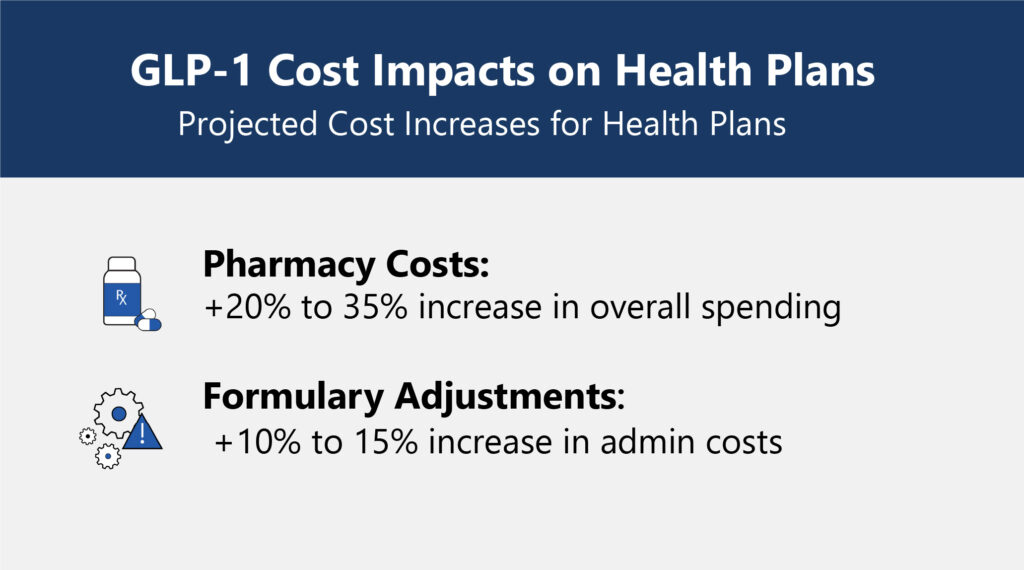
  • Rising Pharmacy Costs: Health plans could face a 20%–35% increase in overall pharmacy spending for members with diabetes or obesity.
  • Formulary Management: Expanding coverage criteria will require plans to refine formularies, potentially increasing formulary-related administrative costs.
  • Risk Adjustment: Accurate coding and risk adjustment will become critical, with plans needing to account for increased annual GLP-1 costs per member.

Operational Impacts

  • Care Management Programs: Plans must scale care management programs to handle up to 30% more members receiving GLP-1 prescriptions, requiring investment in digital tools and personnel.
  • Prior Authorization Processes: Prior authorization requests for GLP-1 medications may double, prompting the need for enhanced automation and workflow efficiency.
  • Member Communication: Plans must prepare targeted outreach campaigns members potentially eligible for expanded GLP-1 coverage.
  • Provider Networks: Expanding network capacity to manage increased GLP-1 demand could require adding providers in key specialties like endocrinology and primary care.
How ProspHire supports health plans in navigating GLP-1 coverage expansion

How ProspHire Can Help

ProspHire brings expertise in navigating regulatory changes and optimizing health plan operations. We offer:

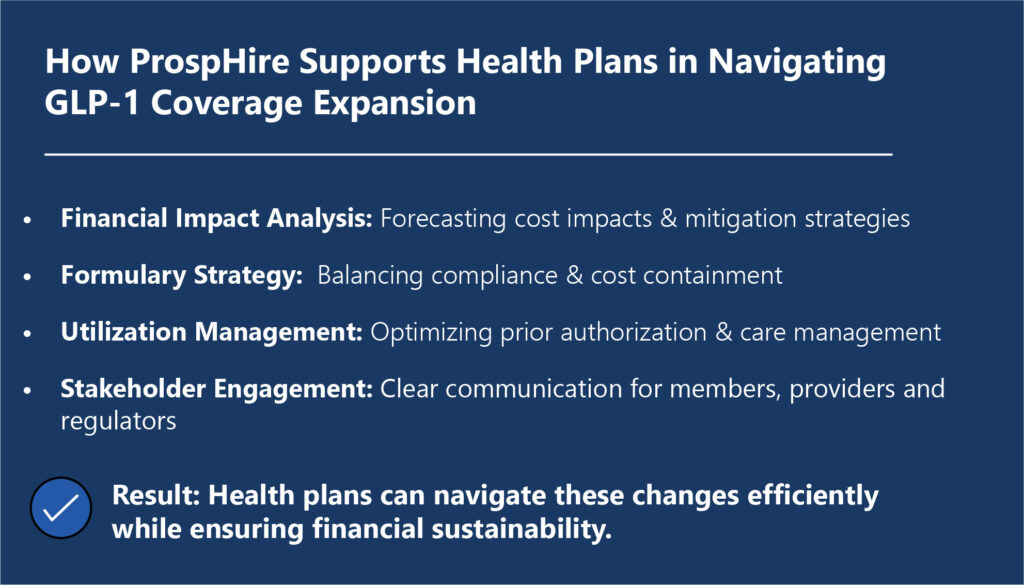
  • Financial Impact Analysis: Forecasting cost impacts and developing mitigation strategies.
  • Formulary Strategy: Supporting formulary adjustments to balance compliance and cost containment.
  • Utilization Management: Designing efficient prior authorization and care management processes tailored to GLP-1 medications.
  • Stakeholder Engagement: Building robust communication frameworks for members, providers and regulatory bodies.

With ProspHire’s guidance, health plans can navigate the complexities of CMS’s proposed changes with confidence, ensuring financial sustainability while delivering improved member outcomes.

References

Proposed Rule Would Expand Medicare And Medicaid Coverage For Anti-Obesity Medications | Health Affairs
CMS’s $40B GLP-1 Proposal Offers Leeway for Part D Plans to Define Obe – AIS Health – MMIT
Medicare & Medicaid Services CMS Proposes Changes to Medicare Adv
Biden administration proposes Medicare coverage for weight loss drugs: 10 things to know