Author: Sophia

Impact of NCQA Health Equity Accreditation on Medicaid Managed Care

For many years and as amplified by the impact of the COVID-19 pandemic, health plans have recognized that caring for a person’s Social Determinants of Health (SDOH) is just as important as caring for a person’s physical or behavioral health needs to result in the best outcomes for their members and improved health equity. To drive these outcomes and encourage activities focused on SDOH and health equity, state agencies are implementing regulations and contractual requirements for their Medicaid Managed Care Organizations (MCOs). In Michigan, ProspHire is seeing these regulatory requirements take hold, as the state is requiring all recently awarded Medicaid plans to obtain the National Committee for Quality Assurance’s (NCQA) Health Equity Accreditation to better care for their members. This is a trend ProspHire is seeing across multiple states, highlighting the importance of health plans awarded in a state with NCQA Health Equity requirements to remain cognizant of the amount of time and effort that goes into applying for this accreditation and act swiftly to ensure their health equity program meets the necessary criteria to avoid being penalized by the state. 

What Is NCQA Health Equity Accreditation?

What is NCQA Health Equity Accreditation?

As defined by NCQA, Health Equity Accreditation focuses on the foundation of health equity work: building an internal culture that supports the organization’s external health equity work; collecting data that helps the organization create and offer language services and provider networks mindful of individuals’ cultural and linguistic needs; identifying opportunities to reduce health inequities and improve care[1]. This accreditation requires that plans submit hundreds of documents to prove to NCQA that they are compliant with the Health Equity standards and are capable of adequately caring for their members with a health equity lens. It’s also important for plans to realize that applying for Health Equity Accreditation requires immense coordination from a variety of departments such as Credentialing, Population Health and Quality. 

What Are the Current Gaps Related to Health Equity and Why Are They Important for NCQA Health Equity Accreditation?
What are the gaps related to Health Equity and why are they important for NCQA Health Equity Accreditation?

As previously noted, one state that has recently moved to require NCQA Health Equity Accreditation among their Medicaid MCOs is Michigan. In October of 2023, the Michigan Medicaid Managed Care Comprehensive Health Care Program (CHCP) RFP was released and requires that all health plans obtain NCQA Health Equity Accreditation, among other requirements[2]. For plans that don’t currently have NCQA Health Equity Accreditation, this requirement will be a major undertaking that they need to efficiently prepare for to remain compliant. As states continue to call health plans to action and seek accreditation, resources will be needed to address this significant requirement in the set timeframe.

As plans begin to work towards achieving or maintaining Health Equity Accreditation, it is important that they continue investigating the current health inequalities in their population. Continuing with Michigan as an example, one major disparity across the population is a correlation between race and the level of care received post-discharge. A 2021 study focused on 60-day outcomes for post-COVID-19 hospitalizations found that black patients had the lowest rate of follow-up post-discharge[3]. Poor follow-up post-discharge can lead to worse health outcomes and possible re-admission. Another disparity in Michigan is related to geographic location. For example, a Michigan State University study determined that there is a gap in maternity and prenatal care services in rural Michigan counties[4]. Decreased access often leads members to face a difficult decision of whether it’s worth traveling significant distances to get the care they need. 

These kinds of insights can help drive health plans to create new programs to better care for their members. Using Michigan State’s findings as an example, a health plan may seek to address poor or inequitable health outcomes by offering incentives towards maternity members receiving prenatal care or credentialing additional providers in rural areas. NCQA will specifically look at how plans are tracking their member’s demographics and what programs they have created to mitigate the identified healthcare inequalities. Thus, it’s clear that continuing to collect data on the population is essential for plans to remain aware of current health inequality trends so they can adjust their programming and policies to earn or remain compliant with NCQA standards. Without proper data collection methods and adequate care programs put into place, not only will health plans not be able to receive or maintain NCQA Health Equity Accreditation, but healthcare disparities will only continue to grow.  

What Is the Health Equity Accreditation Process?

The evaluation process to receive a Health Equity Accreditation takes 9 to 12 months from when a plan submits its application to the final decision. The time frame can depend on how ready an organization is.

Here is the step-by-step application process:

  1. Consult with a program expert like ProspHire at least 12 months before the date you want to begin the survey.
  2. Buy the interactive survey tool and the standards and guidelines resource.
  3. Conduct a gap analysis by comparing your organization’s existing processes to the standards.
  4. Request a pre-application form from your program expert to start the application process.
  5. Submit your application.
  6. About 9 months before the survey date, improve your organization’s processes to match the program standards.
  7. Submit the survey tool about 3 months before the survey start date.
  8. An Accreditation Services Coordinator will review your survey submission, and the status of your accreditation will be determined within 90 days following survey submission or 30 days after the onsite file review.

Benefits of Health Equity Accreditation

Your MCO can experience several advantages from the NCQA Health Equity Accreditation, which include:

  • Reduced disparities: The Health Equity Accreditation is a framework you can use to identify and address inequities among different populations, such as different races, ethnicities and gender identities. You can further analyze the data you collect and improve health outcomes for all members.
  • Enhanced trust: Health Equity Accreditation signifies that you are dedicated to contributing toward health equity. This commitment can help build trust with patients, business partners, regulators and other stakeholders.
  • Improved care: By addressing health disparities, you can improve the overall quality of care by identifying gaps in care and finding solutions to better meet the needs of diverse patient populations.
  • Regulatory compliance: Health Equity Accreditation can help your MCO meet regulatory requirements related to health equity and cultural competency. This compliance can help reduce your risk of regulatory or state penalties.
  • Operational efficiency: You can implement standardized practices to eliminate unnecessary processes and identify and establish inclusion, equity and diversity goals.

How ProspHire Can Help

How ProspHire Can Help

Submitting for NCQA Health Equity Accreditation requires dedicated resources who are solely focused on what it takes to pass NCQA’s evaluation. Significant planning and coordination across departments is vital for the plan’s NCQA application to be successful. Plans simply can’t check a box by submitting minimal evidence to secure this accreditation. Attention to detail and going above and beyond the minimum NCQA standards is crucial to produce evidence packets that will satisfy NCQA’s criteria. Plans often do not have the time or the resources to dedicate towards NCQA accreditation, leading to costly submission delays, contract penalties and even the need to re-survey at a later date if scores aren’t high enough after the initial submission. 

ProspHire is well versed in NCQA Health Equity Accreditation requirements and has been successful in achieving both the Initial and Renewal survey accreditations for their clients. 

At ProspHire, we can help you understand your current state regarding health equity through data analysis and SDOH assessment. With this information, you can identify health inequities among different populations, which is crucial to understanding where to focus improvement efforts. We work with you to develop a strategic action plan that addresses disparities and aligns with Health Equity Accreditation requirements. Our dedicated partnership approach will increase your chances of successful accreditation.

Work With ProspHire to Simplify the Accreditation Process

ProspHire is committed to understanding your plan’s readiness for Health Equity Accreditation and identifying potential gaps in your survey materials. NCQA Health Equity Accreditation is a long, time-consuming process, let ProspHire help lighten the load with in-depth knowledge of the NCQA Accreditation process and extensive Health Equity experience. Contact us today for more information or to get started.

[1] NCQA | Health Equity Accreditation

[2]Health Management Associates | Michigan Medicaid RFP

[3] The Michigan Daily | Surveying Research on Racial and Ethnic Health Disparities in Michigan

[4]The Michigan Daily | Exploring Geography-Based Health Disparities in Michigan

Opportunities to Enhance Engagement & Completion in Health Assessments

What exactly is a Health Risk Assessment (HRA)? 

A Health Risk Assessment is a comprehensive tool used by healthcare providers to gather essential information regarding an individual’s health risks, lifestyle choices, medical history and other pertinent factors. This data collection helps to form a complete picture of a person’s overall health status. HRAs typically include a series of questions covering various dimensions of health and well-being, such as medical history, lifestyle behaviors, health indicators, mental well-being and social determinants of health like food insecurity, transportation needs and socioeconomic challenges. 

HRAs serve two primary functions: they evaluate current health conditions and pinpoint potential health risks or issues that can be addressed proactively. By offering a comprehensive overview of an individual’s health, HRAs enable the detection of risks and the development of tailored interventions or advice, ultimately enhancing health outcomes. 

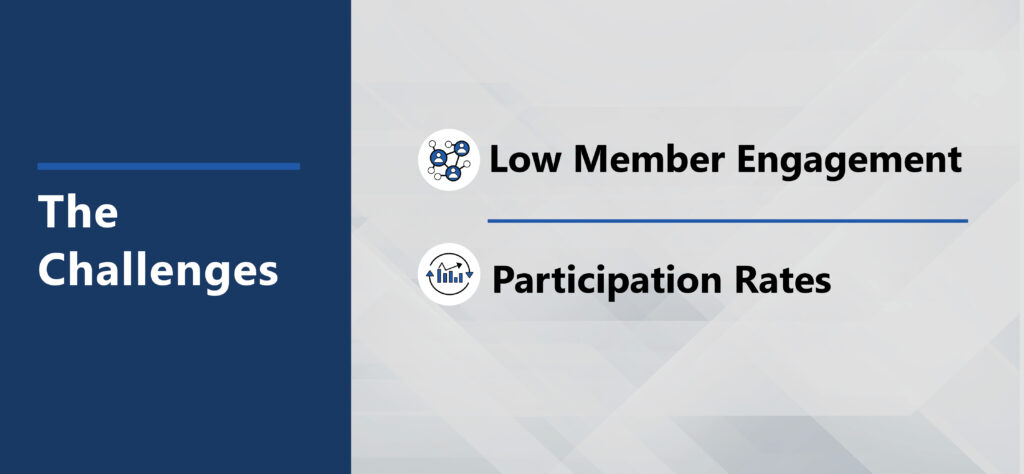
Health plan challenges: Low Member Engagement & Participation Rates

Challenges with HRA Completion Rates

Despite the valuable insights offered by HRAs, many health plans face challenges with low member engagement and participation rates in completing these assessments. Low completion rates can hinder the ability of health plans to gather accurate data on members’ health status and impede the delivery of personalized care. To address this challenge, health plans need to devise comprehensive strategies to encourage member participation in HRAs while meeting regulatory obligations. 

According to the Commonwealth Fund, 33% of Medicare Advantage members are unsure if their health plan uses their HRA response information to improve their care and services provided.  This underscores the need for health plans to enhance their HRA processes to include clearer communication on the HRA’s importance and provide actional insights that empower positive health outcomes for members.

Strategies to Improve HRA Completion Rates

Streamlined Process: Simplifying the process of completing HRAs can significantly reduce barriers to participation and encourage more individuals to engage in health assessments.  This can be achieved through several strategies:

  • Multiple Modes of Completion: Offering several ways to complete the HRA can accommodate different preferences and accessibility needs. Options can include online platforms, paper forms, phone surveys, SMS/Text messaging. Ideally, omni channel engagement should be promoted to engage the member at the right time, in the method of their choosing. 
    • Concise and Easy to Understand: Ensuring that the HRA is straightforward and free of complex medical jargon can make it more accessible. 
    • User-Friendly Design: A well-designed HRA can enhance the user experience and reduce completion time. 
    • Multilingual Options: Offering HRAs in different languages can significantly increase accessibility for non-English speaking individuals. 
    • Timely Follow-Up: Contacting members shortly after enrollment is crucial for ensuring the HRA is completed promptly and effectively. Building automation to action responses in real time and automated follow-on interventions will increase the likelihood of continued engagement and member buy in.

Personalization: Tailoring communication and engagement strategies to individual members can increase engagement. Respecting members’ communication preferences will increase the likelihood of success. Personalized messages that highlight the benefits of completing the HRA for the member’s specific health needs can be more effective and reduce potential member abrasion.  

Using behavioral segmentation and identifying the unique preferences, needs and motivations of each member maximizes the chances of engaging members. By leveraging insights generated from behavioral segmentation, health plans can tailor questions to identify and address specific conditions and social risk factors earlier in the member lifecycle. Personalized engagement is not just about improving HRA completion rates; it’s about empowering members to take control of their health and well-being. By leveraging the power of AI and behavioral segmentation, health plans can directly improve response rates and overall engagement. 

Digital First Approach: Adopting a digital first approach and utilizing multiple communication channels, including AI-powered texting, email and mobile-friendly digital HRAs could unlock significant opportunities to reduce costs, drive efficiencies and deliver significant ROI. 

Education and Awareness: Educating members about the importance of HRAs and how the information collected is used to improve their care can increase participation rates. Clear communication about the confidentiality and security of their data is also crucial.

Incentives: Offering incentives, such as gift cards, discounts on health services or wellness program points can motivate members to complete their HRAs.

Integration with Wellness Programs: Linking HRAs with wellness programs and other health initiatives can provide a seamless experience for members and underscore the importance of the assessment in managing their overall health.

Using AI/Machine Learning or Intelligent Business Rules: Upon receiving a completed HRA, a series of actions could be initiated: for example, a referral to care and case management for those who have indicated chronic conditions or outreach for members who may be experiencing barriers to food or transportation.  Building workflows or using advanced technologies to automate these next steps, ideally in real time, enables more timely and efficient processes and is likely to keep that member engaged and quickly demonstrate the value of completing an HRA to members.

Social Support: Encouraging members to complete HRAs through peer support groups or community networks can enhance engagement. Social influence and peer encouragement can be powerful motivators. 

Digital Advertising: Building a digital advertising strategy, particularly paid social media advertising, has been successful in increasing engagement. 

Follow-Up and Feedback: Providing timely follow-up and feedback on the results of the HRA can reinforce its value. Members are more likely to participate if they see immediate benefits and personalized health advice.

Privacy and Security: Assuring members that their information will be kept confidential and secure is essential for building trust and encouraging participation.

Provider Engagement: Engaging healthcare providers in the process can increase completion rates. Providers can emphasize the importance of HRAs during patient visits and encourage their completion.

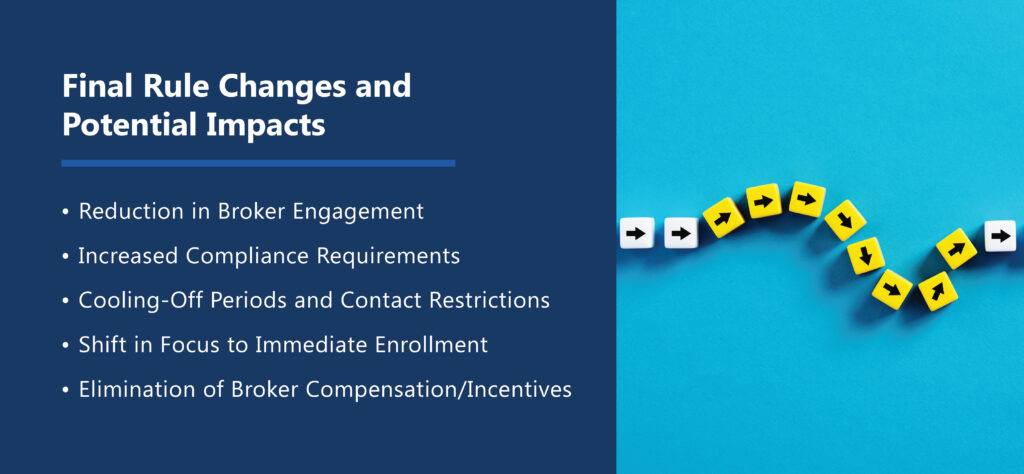
Final Rule Changes and Potential Impacts

Final Rule Changes and Potential Impacts

The latest CMS final rule introduces changes to broker incentives that may adversely impact the completion of Health Risk Assessments (HRAs) in several ways:

Reduction in Broker Engagement: The new regulations aim to curtail misleading marketing practices by brokers, which includes stricter oversight and reduced flexibility in how brokers can engage with potential enrollees. This might lead to brokers being less motivated to actively seek out and complete HRAs.

Increased Compliance Requirements: Brokers are now required to adhere to more stringent compliance standards, which include providing more detailed disclosures and avoiding certain marketing tactics. This increases their administrative burden, potentially diverting time and resources away from activities such as conducting HRAs.

Cooling-Off Periods and Contact Restrictions: This rule enforces a 48-hour cooling-off period before brokers can re-contact prospective enrollees, except under specific conditions. This delay can hinder timely completion of HRAs, especially during critical enrollment periods.

Shift in Focus to Immediate Enrollment: With stricter marketing regulations, brokers might prioritize immediate enrollment tasks over comprehensive activities like conducting HRAs, which require more time and follow-up. This shift in focus could lead to fewer HRAs being completed as brokers might not prioritize these assessments under the new incentive structures.

Elimination of Broker Compensation/Incentives: Changes in broker compensation models, which now focus on quality and compliance rather than volume, may lead brokers to deprioritize HRAs, especially as these assessments do not directly contribute to their compensation or incentives under the new rules.

In summary, the changes to broker incentives and the increased regulatory burden may reduce the emphasis brokers place on completing HRAs, potentially leading to a decline in the number of HRAs completed. This could affect the overall data collection and health management for Medicare beneficiaries.

Regulatory Compliance and Managed Care

For managed care organizations that comply with CMS Medicare services, new members must complete an initial HRA within 90 days of joining, followed by annual assessments within 365 days of the last completed assessment. Boosting HRA completion rates is crucial for meeting CMS requirements and obtaining accurate data on members’ health status. High completion rates enhance member-centric care delivery, particularly in Medicaid and Medicare populations.

The Role of Risk Adjustment

Risk Adjustment is a critical process in managed care, particularly within Medicare and Medicaid programs. It involves adjusting payments to health plans based on the health status and demographic characteristics of their enrollees. Accurate risk adjustment ensures that plans receive appropriate compensation for enrolling members with varying health needs and risks, promoting fairness and stability in the healthcare market.

Improving HRA completion rates directly impacts the accuracy of risk adjustment. The data collected through HRAs provides detailed information on members’ health conditions and potential risks, which is essential for accurate risk adjustment. By identifying and documenting health conditions early, HRAs help ensure that health plans allocate resources more effectively, support high-risk members and certify that they receive appropriate funding to manage their members’ care effectively.

Enhancing HRA completion rates is essential for building member-centric care by enabling personalized, proactive and coordinated health management approaches while meeting regulatory requirements. By effectively leveraging HRA data, managed care organizations empower members, improve health outcomes and elevate the overall quality and satisfaction of care delivery, particularly within Medicaid and Medicare environments. Furthermore, accurate HRA data is crucial for risk adjustment, ensuring that health plans receive appropriate compensation and can sustainably manage the diverse needs of their populations. By addressing both practical barriers and psychological factors, health plans can significantly improve HRA completion rates, leading to better health management and outcomes for their members and a more balanced healthcare system.

How Can ProspHire Help?

How Can ProspHire Help?

To learn more about ProspHire and the opportunities to improve HRA engagement please contact us. We are happy to help advise, define and execute successful, leading-edge strategies and solutions. 

Ohio Medicaid Seeks Exclusive Alignment in Next Gen MyCare Program

The Ohio Department of Medicaid (ODM) has recently initiated a significant shift in its Medicaid delivery model by inviting Managed Care Organizations (MCOs) to respond to the Next Generation MyCare Request for Applications (RFA). This new model aims to enhance care coordination and streamline health plan navigation through CMS-approved Fully Integrated Dual Eligible Special Needs Plans (FIDE SNPs). The phased implementation of the MyCare Ohio program will see the selection of no more than four MCOs to deliver these integrated services.

What is Changing?

With the introduction of the Next Generation MyCare program, ODM plans to reduce the number of participating MyCare plans from five to four, each required to provide notice to CMS of their intent to establish a FIDE SNP by Fall 2024 to align with a program start date of January 1, 2026. This change aligns with broader industry trends towards exclusive alignment and full integration of Medicare and Medicaid services. 

What is the Impact?

FIDE SNPs cover Medicaid benefits (often including behavioral health), coordinate care delivery and administrative functions, cover long-term services and supports and, as of 2025, require exclusive alignment. Ohio is not the first state to adopt this model and is, in fact, following the industry trend of an increasing number of states adopting this model. The shift is expected to deliver several key benefits:

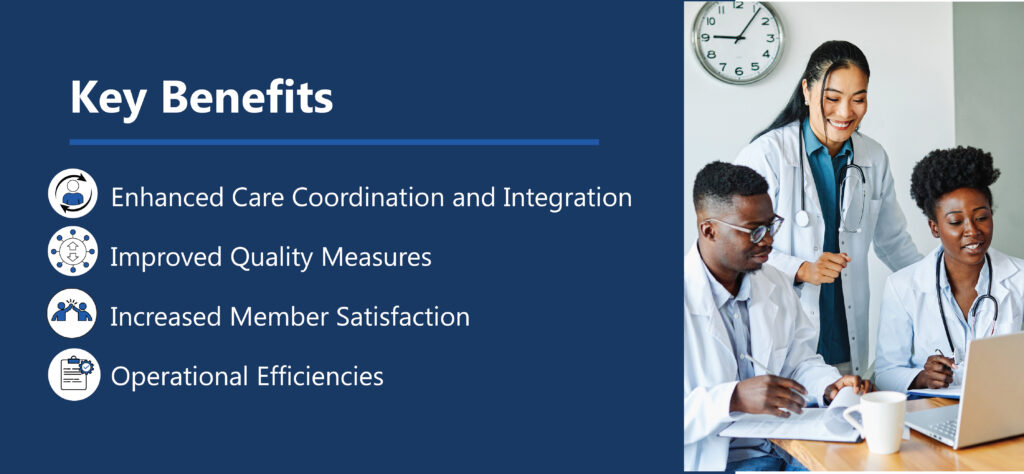
  • Enhanced Care Coordination and Integration: Improved communication, data sharing and care coordination will lead to better delivery of care
  • Improved Quality Measures: Metrics such as follow-up after hospitalization and medication reconciliation are anticipated to show significant improvement
  • Increased Member Satisfaction: Simplified access to services and streamlined experiences will boost satisfaction
  • Operational Efficiencies: Streamlined administrative processes and better resource utilization for care management and increased transparency in care coordination through data integration and sharing

This move mirrors nationwide trends, with an increasing number of states adopting similar models. Legislation like the DUALS Act, underscores this shift, advocating for integrated care programs that combine Medicare and Medicaid contributions, assign a single care coordinator and develop comprehensive care plans delivered by interdisciplinary care teams. Although there may be opposition from several states, this legislation indicates a significant industry shift we are seeing towards integrated care. 

Regulatory Implications and Future Outlook

The Centers for Medicare & Medicaid Services (CMS) has emphasized the importance of FIDE SNP alignment in regulatory documents and are leaning on the states to help this full integration. Starting on January 1, 2030, D-SNPs will only be allowed to enroll individuals who are also enrolled in the affiliated Medicaid MCO (e.g, FIDE SNP). Additionally, SNPs must disenroll individuals not enrolled in both the D-SNP and the Medicaid MCO offered by the same parent organization. This policy will have significant impacts on organizations that provide D-SNPs but do not participate in the state’s Medicaid managed care program. 

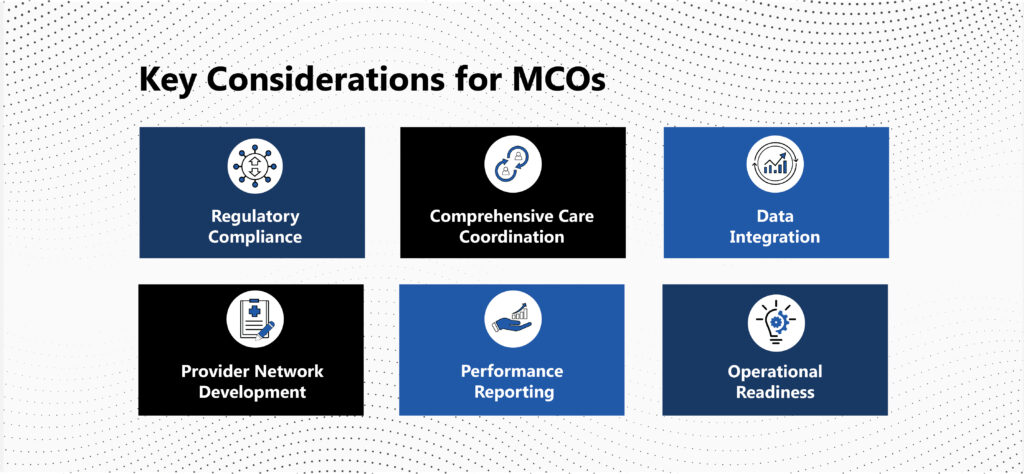
Key Considerations for MCOs

As MCO’s prepare to respond to ODM’s RFA or adopt this model, they must consider several critical factors:

  • Regulatory Compliance: Adherence to across Medicare and Medicaid requirements, that vary by state, to avoid penalties and service disruptions
  • Comprehensive Care Coordination: Effective care planning and risk stratification across interdisciplinary care teams
  • Data Integration: Seamless data exchange process that encompasses member eligibility, claims and care management information which interfaces with state agency data for effective delivery of care and reporting
  • Provider Network Development: Building an adequate network that includes Medicare and Medicaid providers, behavioral health and long-term services and supports, which often include home and community-based services
  • Performance Reporting: Robust quality programs to demonstrate compliance and performance with plan requirements
  • Operational Readiness: Staffing and training requirements for the unique operational requirements of a FIDE SNP combined with the complex case mix of membership lead to effective operations, implementation and continued plan performance

As a consultancy focused 100% on healthcare, ProspHire is equipped to support health plans through competitive RFAs, readiness plans and plan go-live phases. Our experienced team provides advisory services while actively executing key initiatives to deliver value. ProspHire’s expertise includes implementing state requirements for exclusive alignment, health plan growth and expansion and operational and quality performance improvements. For additional insights, connect with us today.

Soaring to New Health Season 2 Episode 4: The Modern Dental Practice

In the rapidly evolving world of dental healthcare, technology plays a crucial role in streamlining operations and enhancing patient care. In a recent episode of ProspHire’s Soaring to New Health podcast, Chris Miladinovich and Dan Crogan explored the transformative impact of cloud-based dental practice management software. Their guests, Mike Huffaker, Chief Revenue Officer of Planet DDS, and Luke Laurin, Managing Director of Dental Practice Management at ProspHire, shared valuable insights into the benefits, challenges and future trends of adopting cutting-edge technology in the dental sector.

The Rise of Planet DDS

Mike Huffaker began by discussing Planet DDS, a leading provider of cloud-based dental software. Founded in 2003, Planet DDS has been at the forefront of innovation, offering solutions like Apex Imaging for cloud-based X-rays and Legwork, a marketing automation tool for dental practices. With a strong heritage in cloud technology, Planet DDS focuses on providing multi-location practices with flexible, future-proof solutions.

“Our heritage is cloud,” Mike emphasized. “We live, sleep and breathe cloud. We are a SaaS platform with a commitment to always being on the cutting edge.” This dedication to innovation ensures that practices using Planet DDS can continuously adapt to new technologies and stay ahead of the curve.

Challenges in Implementation

Transitioning to a new practice management software can be daunting, especially for multi-location practices. Luke Laurin from ProspHire pointed out that many dental practices face challenges in planning and resource allocation during the implementation phase. “A lot of organizations don’t plan accordingly from a resource perspective,” Luke noted. “It often ends up costing them more money in the long run due to budget overruns and unmet schedules.”

Luke stressed the importance of thorough planning, resource allocation and optimization of front, back and clinical office workflows to ensure a successful implementation. This planning phase is crucial for practices to not only transition smoothly but also to leverage the new software to its fullest potential.

Adoption and Change Management

Once a new software solution is implemented, driving adoption and managing change are critical. Mike discussed the importance of creating and documenting new workflows and standard operating procedures (SOPs) to ensure staff can efficiently use the new system. “You want to make sure you’re celebrating the success that your practices have in the adoption of the software,” Mike said. “This increases the buy-in and the probability of being successful.”

Strategic Acquisitions for Comprehensive Solutions

Planet DDS has been strategic in its acquisition approach, recognizing the diverse needs of dental practices. Mike mentioned that their acquisitions, such as Cloud 9 and Apex Imaging, allow them to offer integrated, best-in-class solutions tailored to different specialties within the dental field.

“We’ve been very thoughtful in trying to provide a comprehensive solution of best-in-class products that integrate together,” Mike explained. This approach ensures that dental practices can operate efficiently with tools specifically designed for their unique workflows.

Conclusion

The adoption of cloud-based dental practice management software, like that offered by Planet DDS, is transforming the dental industry. By focusing on scalability, thorough planning and strategic acquisitions, Planet DDS and ProspHire are helping dental practices navigate the complexities of modern healthcare technology. As the dental sector continues to evolve, embracing these cutting-edge solutions will be key to staying competitive and providing top-notch patient care.

For more in-depth discussion on ‘The Modern Dental Practice’, download the Soaring the New Health podcast where you find your podcasts. Or visit: Soaring to New Health Series | ProspHire.