Women’s Health Week is aimed to raise awareness about the manageable steps women can take to improve their health and lifestyle. Incorporating simple preventative and positive health behaviors into their everyday lives is important. One’s lifestyle organically impacts day-to-day behaviors that can lead to downstream impacts both positively and negatively. Women’s Health Week provides an avenue for others to share their experiences and enhance exposure to learning opportunities that may have not been realized. During this time of the year, women are encouraged to maintain their preventive screenings, healthy life choices and rejuvenate. ProspHire encourages women to consider the factors that influence their mental health, such as managing stress and talking about anxiety and depression.
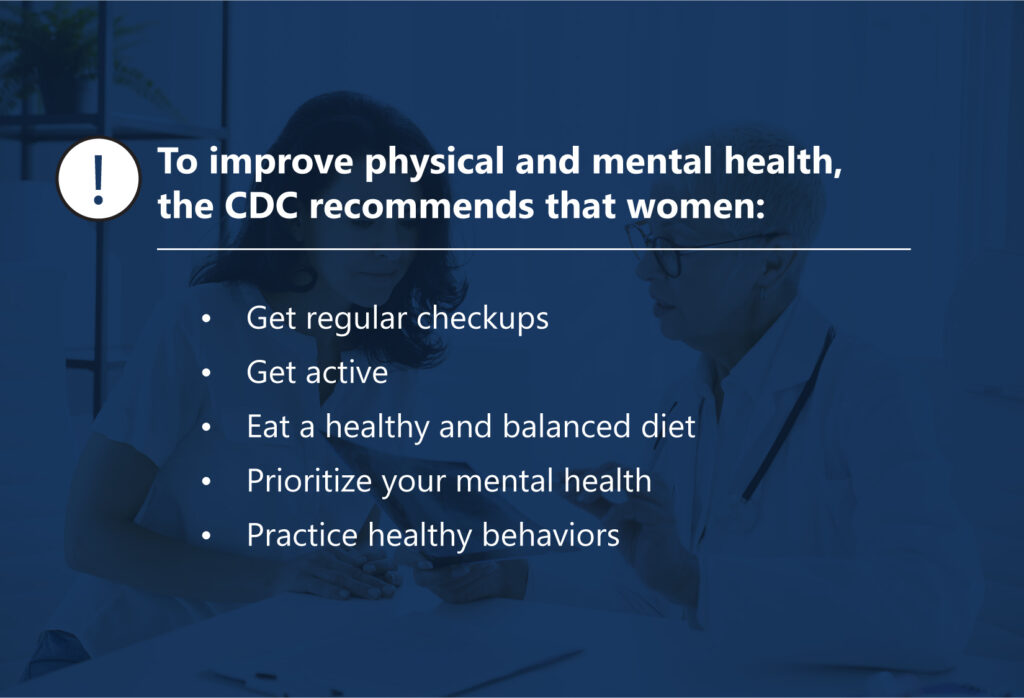
To improve physical and mental health, the CDC recommends that women:
Get regular checkups, including a yearly well-woman exam. Talk to a healthcare provider about any health concerns you have.
Get active.
Eat a healthy and balanced diet.
Prioritize your mental health and learn how to cope with stress.
Practice healthy behaviors. Daily decisions influence your overall health.
Why is Women’s Health Week important?
Women’s health plays an important role within the Healthcare industry that is driven by quality. It brings added awareness and accountability by way of preventative based HEDIS measures which are monitored by providers, health systems, health plans and members themselves. HEDIS (Healthcare Effectiveness Data and Information Set) is a set of standardized performance measures developed by the National Committee for Quality Assurance (NCQA), which allows direct, objective comparison of quality across a multitude of value-based care programs designed to improve the quality of care to members regardless of age, gender, finance and other social determinants.
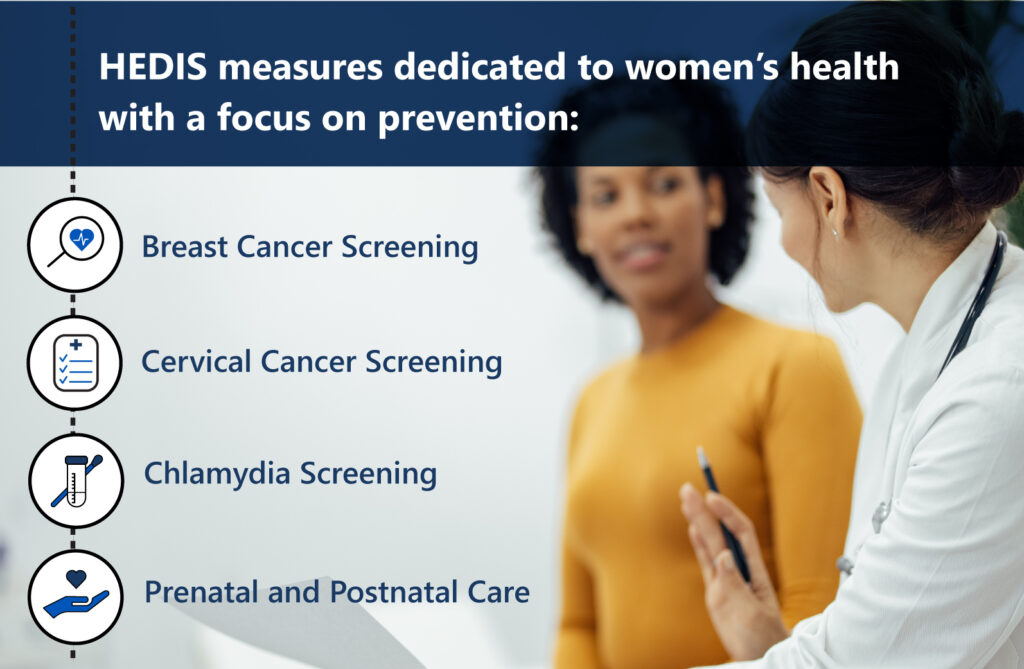
There are specific measures within HEDIS dedicated to women’s health that focus on prevention:
Breast Cancer Screening (BCS) Women who had one or more mammograms to screen for breast cancer during the measurement year or the two years prior.
Cervical Cancer Screening (CCS) Women who were screened for cervical cancer within the eligible time frame.
Chlamydia Screening (CHL) Women who were identified as sexually active and who had at least one chlamydia test in the measurement year.
Prenatal and Postpartum Care (PPC) The percentage of deliveries that received a prenatal care visit and or postpartum visits within the eligible timeframe.
Within HEDIS performance it is expected that better outcomes lead to more enrollees, visits and overall engagement compared to competitors. Physician-specific scores are being used as evidence of preventive care from primary care office practices. These measures are also the basis for physician incentive programs such as ‘pay for performance’ and ‘quality bonus funds’.
How Can ProspHire Help?
At ProspHire, we have dedicated subject matter experts with experience supporting health plans, provider groups and health systems to yield positive quality outcomes that trickle down to enhanced patient and member experience, improved quality of care and reduced costs. Connect with one of our health care experts today.
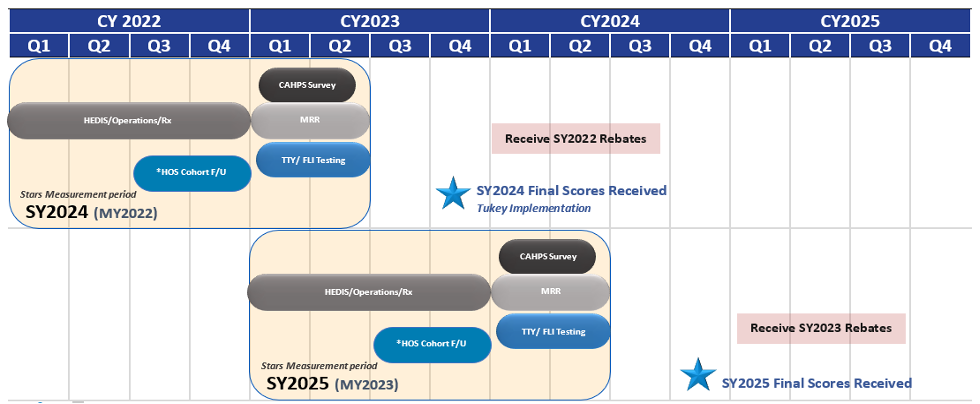
It’s that time again for a new Star Year (SY). We are currently four full months into measurement year 2023 (SY2025), and in the final months of closing out the performance for SY2024. During this time, health plans must have a keen eye on two Star Years at once to maximize interventions and try to increase performance. With the pending changes coming into effect that will have a negative impact on plans, such as Tukey Outlier Deletion (SY2024), it is imperative that as we begin SY2025 we have the right plan in place from the beginning.
ProspHire’s Stars experts provided critical strategies to success as we are within SY2025 planning /execution:
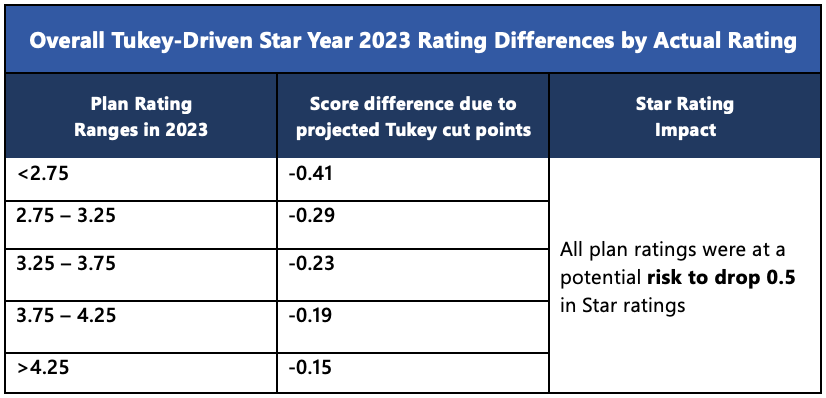
As your health plan continues to map out initiatives for SY2025, Tukey expectation setting and education are important to communicate early with leadership and shared services to understand possible impacts to your organizations Star rating in SY2024 and SY2025. With the implementation of Tukey Outlier Deletion and the reality of a potential drop in overall Star rating, plans must understand the implications of Tukey for their plan. It is important to communicate with leadership early and often to allow for future planning efforts to take place. Plans must continue to educate shared services on these impacts to drive new innovative solutions to continue to boost performance with this barrier.
*These results were calculated in partnership with Hyperlift and use methodology that excludes CAI and Reward Factor. QI Measures were applied
Goal Setting Sessions
Within the plan it’s critical to analyze your goals early and often within the performance year and select targets that consider the potential Quality Improvement measures and promote significant improvement. Doing measure-by-measure goal setting allows for prioritization of targeted measures that the plan can design specific interventions to promote improvement. It is also important to consider potential Tukey Outlier Deletion impacts for SY2025 projected cut points to allow for more aggressive planning and execution throughout the year.
Stars Strategic Plan
Once targets are established for the performance year, it’s imperative to develop a plan by domain that includes targeted interventions and strategies for member outreach and provider partnerships. It is critical that Stars is made a priority throughout the entire organization and measure-level owners are clearly defined to strongly execute defined strategies throughout the year.
After you establish a strategic plan for Stars, it is critical to establish ongoing assessments of intervention effectiveness. Ensuring that the plan has regular access to these KPIs will allow for the proactive monitoring of performance and help inform where strategies may be falling short and additional interventions are needed. These should be set for internal interventions and vendor partners driving measure improvement strategies. Access to data is critical to inform planning and performance success.
Additional key themes to consider throughout SY2025:
Ongoing Training and Education of Stars
Transparency By All Parties Within Shared Services
Understand Organizational and Industry Changes
Ongoing Measure Analysis
At ProspHire, we continue to partner with health plans to offer insights, analysis and execution strategies that improve Star ratings.
PITTSBURGH, PA – ProspHire’s founders, Lauren Miladinovich and Chris Miladinovich have been named finalists for Ernst & Young’s (EY US) Entrepreneur of the Year® 2023 East Central Award. The program celebrates entrepreneurs from Western Pennsylvania, West Virginia, Northeast and Central Ohio and Kentucky.
Unstoppable, serial, entrepreneurial creators and disruptors, Lauren and Chris started ProspHire as an idea on a napkin in the basement of their Western Pennsylvania suburb. Eight years later, despite the unprecedented challenges of a global pandemic, talent shortage, data security issues and economic instability, they took this first of multiple ventures, a healthcare consulting Firm, from $0 to $20m. They have built and sustained a resilient culture focused on healthcare advisory, project delivery and strategic resourcing for each of their clients across the U.S.
“The list of finalists is impressive and we are humbled to be recognized among them,” said Lauren Miladinovich, Co-founder, Managing Principal and CEO.
“We are honored to be named finalists for the EY Entrepreneur of the Year award. This recognition is a testament to the hard work and dedication of our team, who have helped us bring our vision to life. As entrepreneurs, we are committed to creating solutions that make a positive impact on society and being a finalist for this prestigious award is a validation of that mission. We look forward to the opportunity to connect with other like-minded entrepreneurs and share our experiences of driving positive change in the world,” said Chris Miladinovich, Co-founder, Principal and COO. “With a commitment to continued innovation, we aim to deliver on our vision to be a leader in healthcare strategy and execution for our clients.”
To Lauren and Chris, being entrepreneurial is as simple as thinking outside the box and expecting the unexpected. What they don’t say is what their employees and staff see every day… the constant hunger to make things better and enabling those around them to be flexible, adaptable and see opportunities.
28 entrepreneurs were selected as finalists by an independent panel of judges. The candidates were evaluated based on their demonstration of building long-term value through entrepreneurial spirit, purpose, growth and impact, among other core contributions and attributes. Now in its 37th year, Entrepreneur of the Year is one of the preeminent competitive business awards for transformative entrepreneurs and leaders of high-growth companies who are building a more equitable, sustainable and prosperous world for all.
Regional award winners will be announced on June 14, 2023, during a special celebration. The Entrepreneur of The Year program has recognized more than 11,000 entrepreneurs throughout the US since its inception in 1986, and it has grown to recognize business leaders across 145 cities in over 60 countries around the world.
About ProspHire ProspHire is a national management consulting firm focused on healthcare advisory, project delivery and strategic resourcing. Founded on the core value of relationships, with the goal to “prosper together,” ProspHire partners with clients to identify and solve their most significant people, process and technology challenges. The woman-owned and rapidly growing Pittsburgh-based firm has nearly 100 practitioners and consultants who deliver exceptional service to each one of our clients across the U.S. Visit www.prosphire.com.
Did you know? May is Mental Health Awareness Month.
In a given year, 1 in 5 Americans will experience a mental illness and more than 50% of Americans will be diagnosed with a mental illness or disorder at some point in their lifetime1.
To improve access to mental health services, the Mental Health Parity and Addiction Equity Act (MHPAEA) was implemented in 2008 to instate health plan requirements to provide equal treatment of mental health conditions and substance use disorders as would be provided for medical or surgical benefits. What does this mean?
Mental Health Parity and Addiction Equity Act
MHPAEA was established, and has evolved over time, to subject requirements on large group plans, individual and small group plans, to provide the same limitations or allowances for physical and behavioral health care. An example of the law in action is that a co-pay to see a behavioral health provider cannot be higher than that to see a general practitioner. Ultimately, if a health plan offers a mental health or substance abuse benefit, they must provide a benefit that is at least equal to the physical health benefit.
How does MHPAEA Affect Mental Health Equity?
MHPAEA made it illegal for plans to discriminate or offer less generous benefits to people with behavioral health conditions. However, with consideration to equity, the enforcement of the law is managed at the discretion of each individual state leading to some national inequities in coverage. Although there are safeguards in place with the federal law being the minimum requirement, there are several advocates nationally pushing for increased mental health coverage and enforcement.
The need for access to and equitable mental health care goes beyond law and calls for change across the healthcare industry. Data shows that individuals from racial and ethnic minority groups face obstacles in accessing needed care2. There are several obstacles that may contribute to the disparity in outcomes, but racism and racial trauma are known factors that negatively impact mental health3. To learn about ways we as individuals, public health organizations, healthcare systems, states and communities can work together to promote health equity, visit the Centers for Disease Control and Prevention’s publication on Prioritizing Minority Mental Health.
How Can ProspHire Help?
At ProspHire, we continuously strive to improve access to care and address health disparities. While supporting health plans remain compliant with federal and state regulations, we identify opportunities to leverage regulatory programs and initiatives to drive further change to impact your members and our communities.
For more on our Clinical Practice and Addressing Health Disparities visit: prosphire.com.
PITTSBURGH, PA – ProspHire, a national healthcare consulting firm, is pleased to announce the appointment of Francis Roman as Vice President of Operations. In this new role, he is responsible for overseeing many of the Firm’s operational business units, including Finance, IT and Administrative Operations.
“I’m very honored to take on this role and passionate about providing our people with the best tools, support and training to ensure new technology and operational innovations continually improve ProspHire’s operations,” said Roman.
Francis brings 15 years of experience leading large-scale, complex business transformation projects in both client and consulting environments for healthcare and insurance companies. He previously served in a Managing Director role at ProspHire, where he led the Business Growth and Expansion service offering. He also supported the Firm’s technology infrastructure and command center. Francis is a Deloitte alum and graduated from The Penn State University with a B.S. in Information Sciences and Technology.
“I’m excited to add another key position as part of our growth strategy,” said Chris Miladinovich, ProspHire’s Co-founder, Principal and Chief Operating Officer. “Fran’s breadth and depth of experience in leading transformation projects will serve him well as he assumes this operations leadership role and helps our Firm drive revenue and accelerate as we embark on our next chapter.”
“We are grateful for Fran’s extensive project leadership over the last 6 years,” said Lauren Miladinovich, ProspHire’s Co-founder, Managing Principal and Chief Executive Officer. “His oversight and experience were critical to our growth and he is well-suited to take on this new role and lead the crucial aspects of our business operations.”
Medicare Advantage Value-Based Insurance Design Model
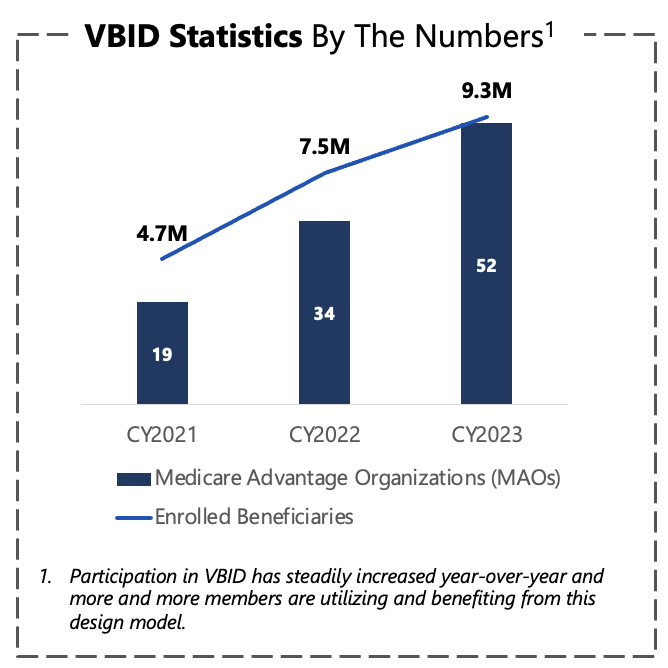
On April 5th, 2023, CMS announced the extension of the Value-Based Insurance Design (VBID) Model.
The VBID Model aims to increase use of high value services, while increasing flexibility of participating Medicare Advantage organizations to provide targeted supplemental benefits to meet the needs of their enrolled population.
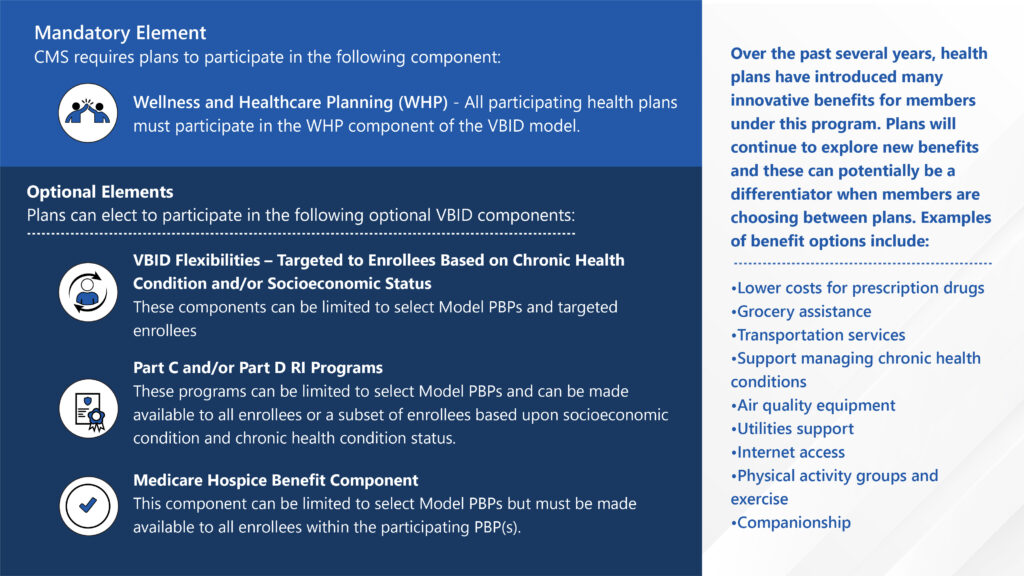
Starting in calendar year (CY) 2024, the VBID Model will be testing several model components, some new and some existing. Participating health plans will be required to engage in the Wellness and Health Care Planning component of the VBID Model in CY2024 in addition to testing one or more of the other interventions in CY2024. These model components include:
Wellness and Health Care Planning (WHP)
VBID Flexibilities (Model PBPs’ select enrollees targeted by condition, socioeconomic status or a combination of both)
Part C and Part D Rewards and Incentives (RI) Programs
Hospice Benefit Component
VBID 101: What You Need to Know About VBID
Key VBID Facts:
Members must earn or redeem rewards and/or incentives within the contract year in which the program has been implemented. Gift cards can be considered an acceptable form of reward or incentive so long as they are not redeemable for cash by the member.
Medicare Advantage Organizations may include information about the VBID program in marketing materials, so long as those materials are provided equitably to all current and prospective enrollees without discrimination.
The VBID program cannot be used to specifically target populations as potential enrollees.
Reporting
Participating organizations must report supplemental benefit utilization to CMS twice annually. Included in this reporting requirement under the Flexibilities component are supplemental benefits for food and nutritional insecurity, transportation barriers and living supports.
Reporting Requirements: (From CMS MA Reporting Technical Manual)
15.1 Do you have a Rewards and Incentives Program(s)? (“Yes” or “no” only)
15.2 What health related services and/or activities are included in the program?
15.3 What reward(s) may enrollees earn for participation?
15.4 How do you calculate the value of the reward?
15.5 How do you track enrollee participation in the program?
15.6 How many enrollees are currently enrolled in the program?
15.7 How many rewards have been awarded so far?
Core Program Elements
The core elements of the VBID Model cover health care planning, supplemental benefit provision, rewards and incentives and extra hospice support. Health plans can apply to tailor the optional elements based on CMS provisions to best meet member needs.
Health Equity Plan A New VBID Element in 2024
Starting with the 2024 VBID Model, each plan is required to submit a VBID Health Equity Plan. This contains the health plan’s strategy to advance health equity through participation in the VBID Model.
Key Elements:
Health plans must identify priority populations and screening tools that will be used to capture disparities and health-related social needs.
Health plans must define the actions that they will take to address the identified disparities, overcome potential barriers and refer members to appropriate support services.
Health plans must present information on metrics and monitoring approach for the strategies presented in the Health Equity Plan.
Finally, health plans must explain their education and engagement strategies for members as well as providers, caregivers and broader communities.
Preparing for Success
Participating health plans should expect to receive provisional approval on their CY2024 Medicare Advantage VBID applications in Mid-May.
Is your plan equipped to implement your VBID model in 2024? Medicare Advantage Organizations must consider their supplemental benefit vendor readiness, strengthening their quality and population health programs and ensuring medical management preparation for the new VBID program year.
ProspHire’s Medicare experts are prepared to support your organization in planning for VBID success.
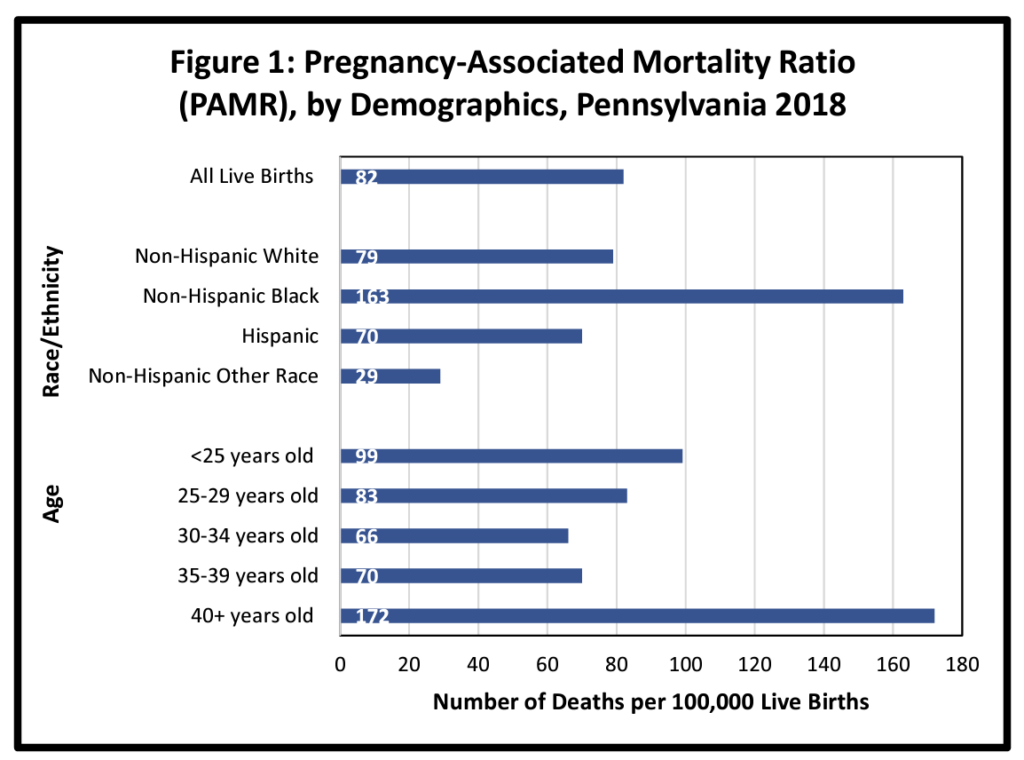
Among developed countries, the United States falls behind in maternal health outcomes. According to the Commonwealth Fund, in 2020 the United States maternal mortality rate was 24 deaths per 100,000 live births which is more than three times higher than the majority of other high-income countries. ProspHire’s home state of Pennsylvania is no exception. Disaggregating health data within the United States by race reveals a significant difference in outcomes. According to Penn Medicine, black women are three times more likely to die from pregnancy-related complications than white women in the United States. These disparities are further evident in Pittsburgh, the location of ProspHire’s headquarters, which was identified as having the highest maternal mortality rate for black women amongst all United States cities (Pittsburgh NPR).
For health plans and providers seeking to address these shortcomings in maternal health equity, what can be done?
The Role of SDOH in Addressing Health Inequities
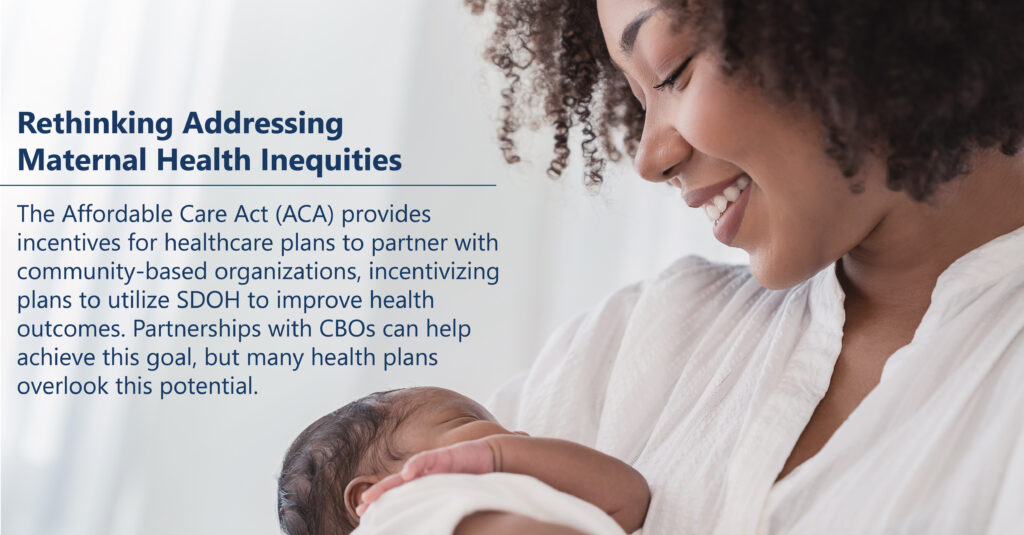
Healthcare industry experts have identified social determinants of health (SDOH) as useful indicators that provide insight into patients’ quality of life and health. SDOH variables include patients’ socioeconomic conditions, and the extent to which they have a disparate impact on health outcomes. Health plans can identify at-risk members within a given population by utilizing available data which provides a broad consensus on the role of SDOH in maternal health inequities. One resource underutilized by health plans is community-based organizations (CBOs), broadly defined as NGOs, nonprofits and community healthcare facilities. The Affordable Care Act (ACA) provides incentives for partnerships between health plans and CBOs which have proved helpful in addressing social determinants of health.
Health Plan-CBO Partnerships and Addressing Maternal HealthEquity
Health plan-CBO partnerships are especially promising in addressing maternal health equity because they are directly familiarized with addressing community and family-level drivers of inequality1. Once criteria have been determined, such a partnership can work together to take the necessary steps to help at-risk patients.
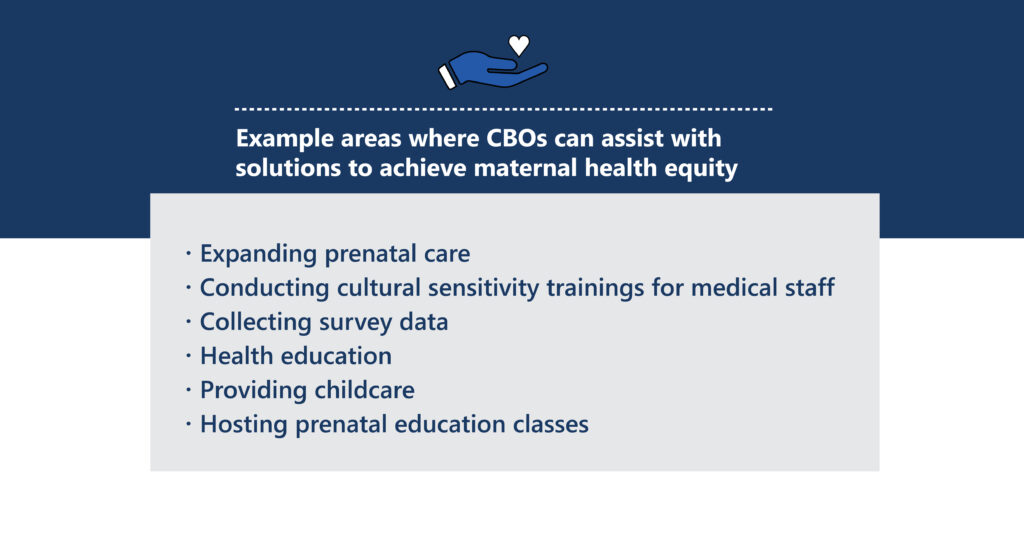
Fostering relationships between health plans and CBO’s can assist in better identifying target population needs. Reputable CBOs generally cultivate a high level of trust and rapport within their communities. The following are a few example areas where CBOs can assist with solutions to achieve maternal health equity: expanding prenatal care, conducting cultural sensitivity trainings for medical staff, collecting survey data, health education, providing childcare, and hosting prenatal education classes.
Illustrating Success
When looking for a best-case example of a CBO addressing maternal health equity, one can look to ProspHire’s office location in the greater Philadelphia area. The Maternity Care Coalition in southeastern Pennsylvania partners with neighborhoods with high rates of poverty, infant mortality and health disparities.
The Community-Based Health Care Program, funded by the Department of Health, provides funding to existing community-based care facilities to expand or build upon existing services. The Commonwealth Fund has identified the following community-based models which health systems can invest in to improve the patient experience and health outcomes for vulnerable patients:
Community-Based Doulas
Midwifery Services
Group Prenatal Care
Non-Hospital Based Birthing Centers
For health plans seeking to adopt evidence-based models of care to improve maternal health outcomes, they may find it beneficial to partner with these existing services.
Important Considerations
Basic criteria which are important to assess when identifying potential community partners include: how they operate in the local area, their reach and expertise. To allow these partnerships to reach their full potential, it is important to identify a general set of challenges that come with health plan-CBO partnerships. According to the Center for Health Strategies, some important considerations include:
Establishing sustainable funding models
Selecting and collecting partnership impact metrics
Sharing patient-level data
How ProspHire Can Help
Health plans can utilize ProspHire to help identify SDOH drivers for maternal health, pinpoint areas of greatest need and establish criteria for potential CBO partnerships based on the unique needs of your service area and most vulnerable patient populations. From a population assessment and recommendation to implementation, our work is focused on addressing health disparities across communities of greatest need and improving equitable care and outcomes.
Did you know April 22nd is National Prescription Drug Take Back Day? Sponsored by the Drug Enforcement Administration (DEA), National Prescription Drug Take Back Day promotes medication safety and disposal in our communities across the country. Unnecessary prescription drugs, including opioids, can be misused, or abused by individuals prescribed the medications or unregulated members of the community with access to the medication supply. Encouraging the public to remove unnecessary medications from their homes is important to the public health and safety of Americans. This annual event can prevent prescription medication misuse and avoid potential opioid addiction.
The disposal window for National Prescription Drug Take Back Day is 10 AM to 2 PM.
The DEA Prescription Drug Take Back Day website has resources to find collection sites in your area. The Collection Site Locator feature allows you to search for public collection sites by zip code, county, city or state levels. Unused and unwanted prescription medications will be accepted at more than 4,000 drop-off locations across the country. Be sure to remove any personal identifiers, such as name and date of birth found on your prescription bottles, from any packaging prior to medication disposal. You can find this tool and other information regarding National Prescription Drug Take Back Day here.
Why is National Prescription Drug Take Back Day Important?
According to a 2015 article in the Journal of Environmental Management, the United States produces the most medical waste among all world countries, accounting for more than 3.5 million tons annually. Many households across the country have unused medications spread across different rooms and storage containers. Some medication treatments become outdated due to advancements in disease treatment, changing of prescription medications for improved disease state management and general discontinuation of medication therapy. Throwing unused medications into the regular trash at home can result in environmental harm, pollution and even accidental death if ingested. The DEA even accepts vaping devices and cartridges at these sites for safe disposal. More than 324 tons of unwanted medications were collected across the country at the October, 2022 National Prescription Drug Take Back Day.
How Can ProspHire Help?
At ProspHire, we can assist your health plan with decreasing medication waste through the implementation of significant services focused on medication utilization. Our team of clinical experts can analyze your data and identify medication use patterns to provide waste reduction strategies with the opportunity for prescription medication deprescribing.
The 2024 Medicare Advantage and Part D Final Rule has been released.
On April 5, 2023, CMS released the highly anticipated final rule. This comes just after CMS released the 2024 Medicare Advantage Capitation Rates, Part C and Part D Payment policies on March 31, 2023.
It is essential that plans begin preparing for these impacts now. It is critical that stakeholders understand these changes to methodology, calculations and measures. Developing strategies for these key changes will enable your program to continue to be forward-thinking and positioned for future success.
ProspHire’s team of Medicare experts have reviewed the final rule for insights relevant to our Medicare Advantage and Part D partners. Below, we highlight several key changes detailed in the final rule.
Here’s what you need to know about the latest final rule changes from CMS relevant to Medicare Advantage Health Plans.
Summary of Final Changes | Risk Adjustment Impacts
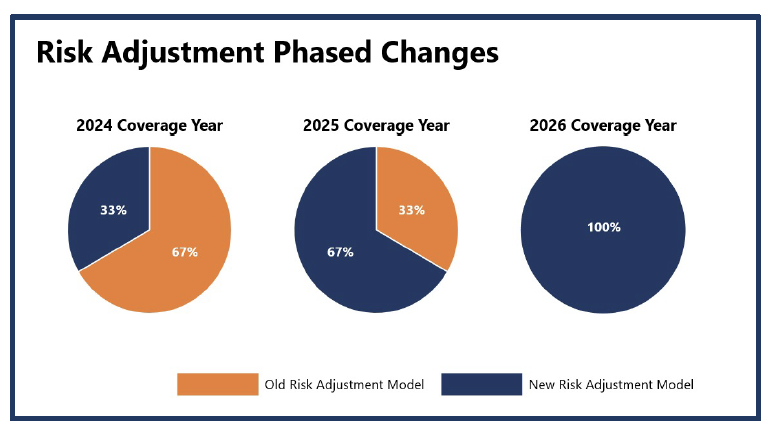
Overview: Within the CMS Final Rate Announcement, CMS has proposed changes to the Part C Risk Adjustment Model to eliminate coding variation and improve payment consistencies to MA plans year over year. Many commenters requested a phased-in approach illustrated on the right, as there will be large process changes and needed education; this approach has been utilized for model updates in previous years.
Old Risk Adjustment Model: Utilization of the ICD-9 code classification system and related HCC Codes.
New Risk Adjustment Model: Utilization of the ICD-10 code classification system, clinically revised HCC codes and an increase in the number of HCC codes (86 →115).
Additional Detail of New Risk Adjustment Model:
The HCC Model was last updated two years ago with FFS claims from program years 2014 and 2015. The revised HCC model will use diagnosis codes from 2018 and expenditures from 2019.
The new model revises the average per-capita expenditure model to include denominators from 2015 through 2022.
The updated risk model implements frailty factors to account for the PACE and FIDE SNP populations.
With this adjustment, plans should begin to evaluate their current risk coding processes to ensure the new risk adjustment model is accurately implemented and downstream revenue impacts are minimized. It is imperative that plans begin to:
Enhance education and tools to support provider partners
Ensure clear coding specifications and processes are implemented across the organization
Establish a governance process in 2024 to monitor the implementation of the model and continue to improve processes
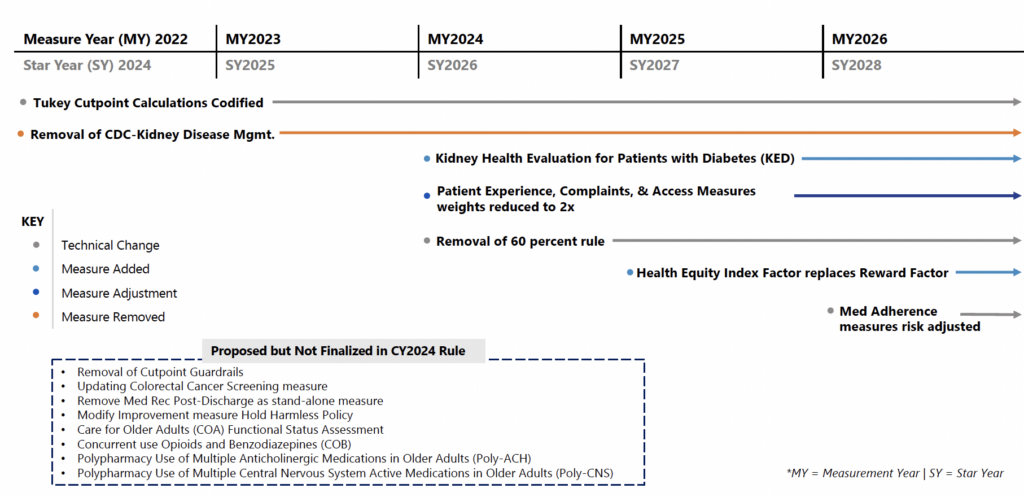
Final Rule Changes | Stars Timeline Impact
*MA Stars changes will begin in MY2022 (SY2024), with tiered rollout continuing through MY2026 (SY2028).
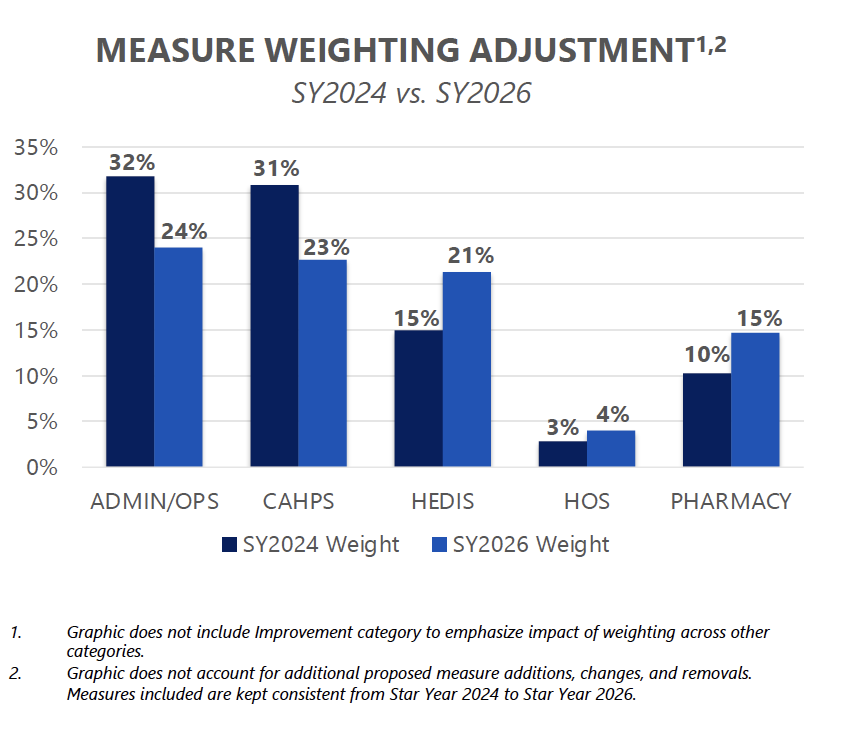
Final Rule Changes |Stars Measure Weighting Shift
Key Insights: The CMS final rule will reduce the weight of the member experience, complaints, and access measures by half. Previously, these measures were weighted at 4x, but for SY2026 these measures will be weighted as a 2x. Reducing the weighting will better align the patient experience/complaints and access measures more closely with other domains. Plans should continue to focus interventions around listening to the voice of the member given the important link between patient experience, retention, medication adherence and other health outcomes.
Final Rule Changes |Replace Reward Factor with HEI
CMS is proposing to replace the reward factor with a health equity index (HEI) reward for the 2027 Star Ratings to incentivize plans to focus on improving care for enrollees with social risk factors (SRF).
Reward contracts for obtaining high measure-level scores for a subset of enrollees with specified Social Risk Factors (SRFs). The HEI reward is intended to improve health equity by incentivizing MA, cost and PDP contracts to perform well among enrollees with specified SRFs. The HEI is designed to work in conjunction with the current CAI (the measure of a contract’s performance relative to its peers) rather than replace it. CMS intends to use the HEI to assist plan sponsors in better identifying and addressing disparities in care provided to members with SRFs. CMS has the ultimate goal of reaching equity in the quality of care provided to enrollees with SRFs. The HEI reward would be calculated using data collected or used for the 2026- and 2027-Star Ratings (2024 and 2025 measurement years) and would initially include LIS/DE or having a disability as the group of SRFs used to calculate the HEI. The regulatory change from CMS involves five proposed steps that CMS would take to analyze the measure-level scores for each contract and roll up to the HEI scores to assess when an adjustment is available for a contract’s ratings.
These steps involve:
A modeling approach to calculate the scores for the subset of enrollees with SRFs of interest included in the HEI
Adjusting measures that are case-mix adjusted in the Star Ratings
Using inclusion criteria for measures to be rolled into the HEI score for a specific contract
The distribution of contract performance on each eligible measure among enrollees with the specified SRFs would be calculated and separated into thirds to assign a HEI score to a contract.
Stay tuned for more information on the HEI calculation and potential opportunities to collaborate with Social Determinant of Health champions at your health plan.
Summary of Final Changes | Sales and Marketing
The final rule aims to safeguard Medicare beneficiaries from misleading marketing and aims to provide them with accurate and necessary information to make informed decisions about coverage options. To address this, CMS includes the following provisions for Medicare Advantage sales and marketing activities:
Television advertisements, such as commercials, must identify a plan name stated at the same pace as the contact information.
Marketing content that causes confusion or misleads beneficiaries is prohibited. This includes the misleading use of the CMS or Medicare names and logos, advertising benefits not available in the beneficiary’s service area and use of superlatives (e.g. “best”) without current source documentation references.
CMS will hold plans accountable for stricter oversight of agents and brokers by requiring plans to monitor and report non-compliance to CMS.
In addition, the final rule includes guidelines on agent requirements, restrictions and permissible activities. Some changes include:
Brokers and agents must cover CMS-specified information when meeting with a prospective member and these calls must be recorded.
Scope of Appointment cards cannot be collected at educational events but Business Reply Cards may be made available to attendees by brokers.
Agents must identify all Medicare Advantage or Part D organizations they sell on their marketing materials.
Agents can re-contact beneficiaries to discuss plan options for up to twelve months.
Summary of Final Changes |Behavioral Health
The final rule identifies several behavioral health changes related to network management, access and adequacy, as well as clinical management and coordination, with the stated aim to increase parity between physical and behavioral health services for enrollees in the Medicare Advantage program.
From a network lens, the Final rule initiates the inclusion of Clinical Psychologists and Licensed Clinical Social Workers in network adequacy requirements. CMS also expands the 10-percentage telehealth credit to reach more behavioral health providers by extending eligibility to Clinical Psychologists and Licensed Clinical Social Workers. Further, the final rule requires health plans to notify members when their behavioral health clinician is removed from the plan’s network during the plan year. The final rule also includes behavioral health specialties in proposed future standards for appointment wait times.
Additionally, clinical teams can expect changes in behavioral health management and coordination with the CY2024 Final Rule. CMS requires plans to exclude emergency behavioral health services from prior authorization. The Final Rule also expects health plans to instate care coordination programs incorporating behavioral health services.
Overall, health plans should expect an increase in their network management responsibilities to integrate these broader behavioral health requirements. Clinical teams should prepare to meet CMS standards for care coordination services for behavioral health and invest in establishing programs for this population per the Final Rule. Utilization management programs must ensure that their prior authorization policies and systems enable the exclusion of emergency behavioral health services from prior authorization requirements.
ProspHire’s Integrated Clinical Solutions experts are prepared to support your health plan in developing clinical transformation plans to prepare for these changes. Our team members are prepared to help your organization with the change management to ensure processes meet CMS guidelines.
Is your health plan ready to react to these changes in CY2024 and beyond?
ProspHire is ready to partner with your health plan to prepare and plan for these changes to the Medicare program.